The Accidental Adhesive That Refused to Stick—Until It Conquered Every Office in America
The Glue That Wouldn't Glue
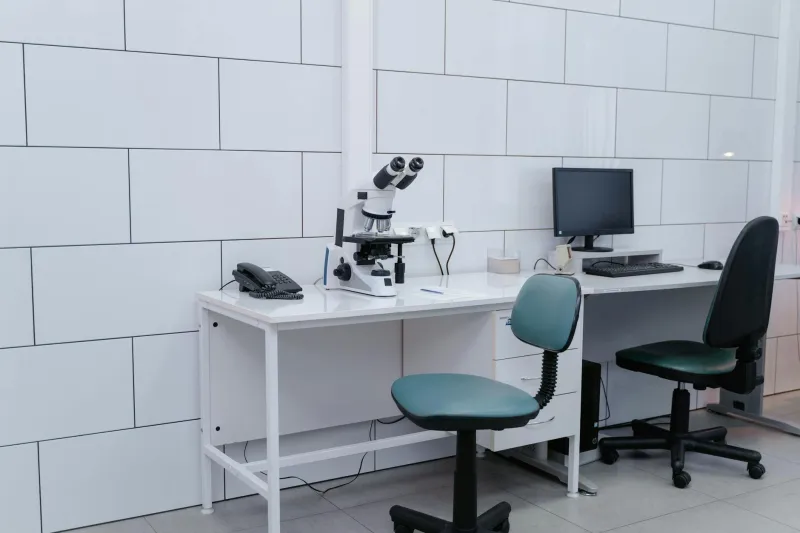
In a Minneapolis laboratory in 1968, Spencer Silver was having what most scientists would consider a terrible day. The 3M researcher was attempting to create an ultra-strong adhesive for aerospace applications—something that would bond permanently and withstand extreme conditions. Instead, he accidentally concocted something that barely stuck at all.
Most chemists would have tossed the failed experiment in the trash and started over. Silver did something different. He kept studying his "failure."
The adhesive he'd created was peculiar. It stuck to surfaces, but you could peel it off without leaving residue. It would reattach, but never very strongly. By every measure that mattered to 3M's industrial clients, Spencer Silver had invented the world's most useless glue.
Eleven Years of Corporate Rejection
Silver became the adhesive's unlikely champion. For over a decade, he pitched his weak-sticking invention to anyone at 3M who would listen. He presented it at seminars, demonstrated it to product development teams, and evangelized its potential applications.
The response was always the same: polite interest followed by practical rejection. What good was glue that didn't really glue? 3M was in the business of making things stick permanently—tape that sealed packages, adhesives that bonded aircraft parts, products that solved problems by holding things together forever.
Silver's invention seemed to solve no problem anyone actually had.
A Frustrated Singer Changes Everything
In 1974, Art Fry was having his own small crisis. The 3M product development engineer sang in his church choir, and he was tired of losing his place in the hymnal. The bookmarks he used kept falling out during the service, leaving him frantically flipping through pages while the congregation waited.
Fry had attended one of Silver's seminars years earlier and remembered the strange adhesive that stuck but didn't really stick. What if, instead of trying to make bookmarks stay put in a closed book, he could make them stick lightly to the page itself?
The Basement Experiment That Changed Office Culture
Fry took some of Silver's adhesive home and began experimenting in his basement workshop. He coated small pieces of paper with the weak-bonding glue, creating repositionable bookmarks that would stick to hymnal pages without damaging them.
The bookmarks worked perfectly, but Fry quickly realized he'd stumbled onto something bigger. These little sticky notes weren't just useful for marking pages—they were perfect for leaving messages, making temporary labels, and creating removable reminders.
He started using them at work, sticking notes to reports, doors, and colleagues' desks. The response was immediate and enthusiastic. Coworkers began asking where they could get their own supply of the mysterious yellow squares.
The Marketing Challenge Nobody Saw Coming
When 3M finally decided to commercialize the invention in 1977, they faced an unprecedented marketing problem: how do you sell people something they don't know they need?
Traditional advertising failed miserably. Television commercials and print ads couldn't convey the simple utility of repositionable notes. The concept was too novel, too different from existing office supplies.
3M's solution was radical for its time: they gave the product away. In test markets across America, company representatives visited offices and handed out free samples of what they called "Press 'n Peel" notes.
The strategy worked. Once people used the sticky notes, they immediately understood their value. Free samples turned into purchase orders, and purchase orders turned into repeat customers.
The Yellow Revolution
By 1980, 3M had renamed the product Post-it Notes and launched them nationally. The yellow color wasn't a design choice—it was simply the color of scrap paper available in the lab where Fry first coated his prototypes.
That accidental yellow became iconic. Within a decade, Post-it Notes had generated over $1 billion in revenue for 3M. The weak adhesive that nobody wanted had become one of the most successful office products in American business history.
The Hidden Lesson of Almost-Failure
Today, Post-it Notes are so ubiquitous that it's hard to imagine American offices without them. They've spawned countless variations—different sizes, colors, and specialty applications—but they all trace back to Spencer Silver's "failed" experiment in 1968.
The story of Post-it Notes reveals something profound about innovation: sometimes the best solutions are the ones that barely work. Silver's adhesive succeeded precisely because it failed to be permanent, strong, or industrial-grade.
In a world obsessed with bigger, stronger, and more permanent solutions, the gentle touch of a repositionable note conquered every desk in America. The glue that wouldn't glue became the sticky note that stuck around forever—just not in the way anyone expected.
Every time you peel a yellow square off your computer monitor or stick a reminder to your refrigerator, you're using the product of one scientist's stubborn refusal to accept failure and another's frustration with falling bookmarks. Sometimes the most revolutionary inventions are hiding in plain sight, waiting for someone to see possibility where everyone else sees problems.