When a Chemistry Student's Epic Fail Accidentally Created the Fashion Industry
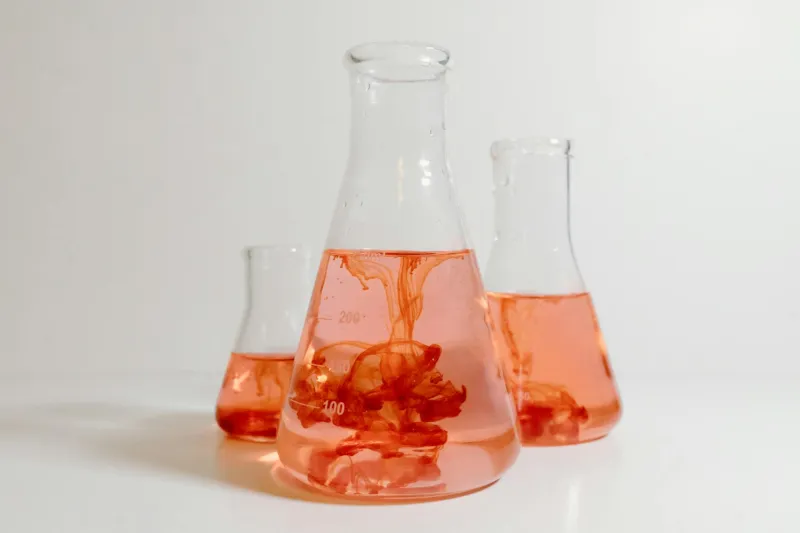
The Teenager Who Changed Everything by Failing Spectacularly
In 1856, while most eighteen-year-olds were figuring out their lives, William Perkin was accidentally about to change the world. Working in a makeshift laboratory crammed into the top floor of his family's London home, this chemistry student had one ambitious goal: cure malaria by creating synthetic quinine.
What he got instead was a complete disaster—a sticky, brown mess that looked like industrial waste. But when Perkin tried cleaning his equipment with alcohol, something magical happened. The murky sludge transformed into the most brilliant purple anyone had ever seen.
Purple: The Color Worth More Than Gold
To understand why Perkin's accident was revolutionary, you need to know just how impossibly expensive purple used to be. For thousands of years, the only way to create true purple dye came from murex shells found in the Mediterranean. It took roughly 12,000 shells to produce just 1.4 grams of dye—making purple literally worth more than its weight in gold.
This is why purple became the ultimate status symbol. Roman emperors passed laws making it illegal for anyone but royalty to wear "Tyrian purple." In medieval Europe, only the wealthiest nobles could afford even a single purple-trimmed garment. The phrase "born to the purple" didn't just mean royal birth—it meant access to the world's most exclusive color.
From Kitchen Chemistry to Commercial Empire
Perkin's family thought he'd lost his mind when he abandoned his malaria research to focus on this purple gunk. His chemistry professor at the Royal College was furious. But Perkin saw something nobody else did: a way to democratize luxury.
Working with his father and brother, Perkin built Britain's first commercial chemical factory in 1857. They called their discovery "mauveine," after the French word for the mallow flower. Within months, they were producing synthetic purple dye on an industrial scale.
The timing couldn't have been more perfect. The mid-1800s marked the beginning of mass-produced clothing, and suddenly there was a way to make vibrant colors affordable for ordinary people.
The Purple Revolution Hits the Streets
By 1859, London had gone completely purple-crazy. Fashion magazines dubbed it "the mauve decade." Women wore mauve dresses, mauve gloves, mauve ribbons. Men sported mauve ties and mauve waistcoats. Even Queen Victoria got caught up in the trend, wearing a mauve silk gown to her daughter's wedding.
The craze jumped across the Atlantic faster than anyone expected. New York society ladies demanded mauve everything. American newspapers ran breathless articles about "the color that conquered London." Department stores couldn't keep mauve fabrics in stock.
What made this revolution even more remarkable was its speed. For the first time in human history, a color trend could spread globally within months instead of decades.
The Accidental Birth of Modern Industry
Perkin's purple mistake did something even bigger than change fashion—it proved that chemistry could be profitable. Before mauveine, chemistry was purely academic. Scientists studied reactions for the sake of knowledge, not commerce.
Perkin's success triggered a gold rush of chemical innovation. German companies like BASF and Bayer started as dye manufacturers, racing to create new synthetic colors. By 1900, Germany dominated the global chemical industry, producing everything from aspirin to explosives using techniques pioneered in dye factories.
The pharmaceutical industry as we know it today traces directly back to Perkin's accidental purple. Companies that started making synthetic dyes discovered they could modify those same chemical processes to create medicines, plastics, and countless other products.
The Student Who Never Cured Malaria
Ironically, Perkin never did cure malaria. Synthetic quinine remained elusive for decades after his discovery. But his "failure" ended up saving more lives than any malaria cure could have.
The synthetic dye industry he launched eventually led to the development of antiseptics, anesthetics, and antibiotics. The chemical knowledge gained from making artificial colors became the foundation for creating artificial medicines.
Why One Teenager's Mistake Still Matters
Today, synthetic dyes are so common we barely think about them. Your jeans, your car's paint job, your smartphone case—virtually every manufactured color around you exists because an eighteen-year-old chemistry student couldn't figure out how to make quinine.
Perkin's story reminds us that some of history's most important breakthroughs came from people bold enough to see opportunity in their failures. He didn't cure malaria, but he did something arguably more important: he showed the world that science could be both intellectually fascinating and commercially viable.
The next time you see someone wearing purple, remember that you're looking at the descendant of a teenager's spectacular failure—one that accidentally launched the modern chemical age and made the impossible color of emperors available to everyone.