The Doctor's Desperate Paste That Became America's Sandwich King

Photo by East Riding Archives on Unsplash
The Toothless Problem
In 1895, Dr. John Harvey Kellogg faced a peculiar medical challenge at his Battle Creek Sanitarium in Michigan. His elderly patients couldn't chew nuts—a primary protein source in his vegetarian health regimen—but desperately needed the nutrition. So he did what any resourceful physician would do: he started grinding.
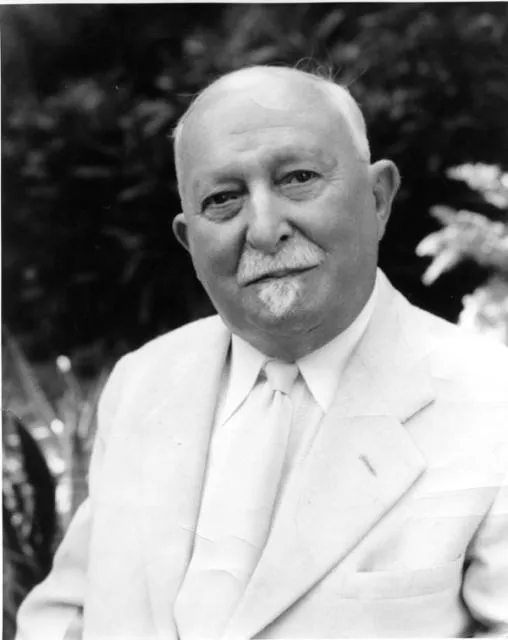 Photo: Dr. John Harvey Kellogg, via biographs.org
Kellogg's solution was brilliantly simple. He boiled peanuts until soft, then ground them into a smooth paste that his toothless patients could easily swallow. He called it "nut butter," and it solved his immediate problem. What he didn't realize was that he'd just invented America's future obsession.
But Kellogg's creation was far from the creamy spread we know today. His early version was bland, oily, and frankly unappetizing to anyone who could actually chew solid food. It remained a medical curiosity until another doctor, Ambrose Straub, patented a peanut butter machine in 1903, making mass production possible.
From Medicine Cabinet to Lunch Counter
The real transformation began during World War I, when meat rationing forced Americans to seek alternative protein sources. Suddenly, peanut butter wasn't just for invalids—it was patriotic. The government actively promoted it as a meat substitute, and companies like Heinz began mass-producing it for civilian consumption.
But the war years revealed a crucial problem: peanut butter was still a luxury item, priced out of reach for most families. A pound cost roughly the equivalent of $15 in today's money. It took the agricultural innovations of the 1920s, particularly George Washington Carver's promotion of peanut farming in the South, to make the raw materials cheap enough for everyday consumption.
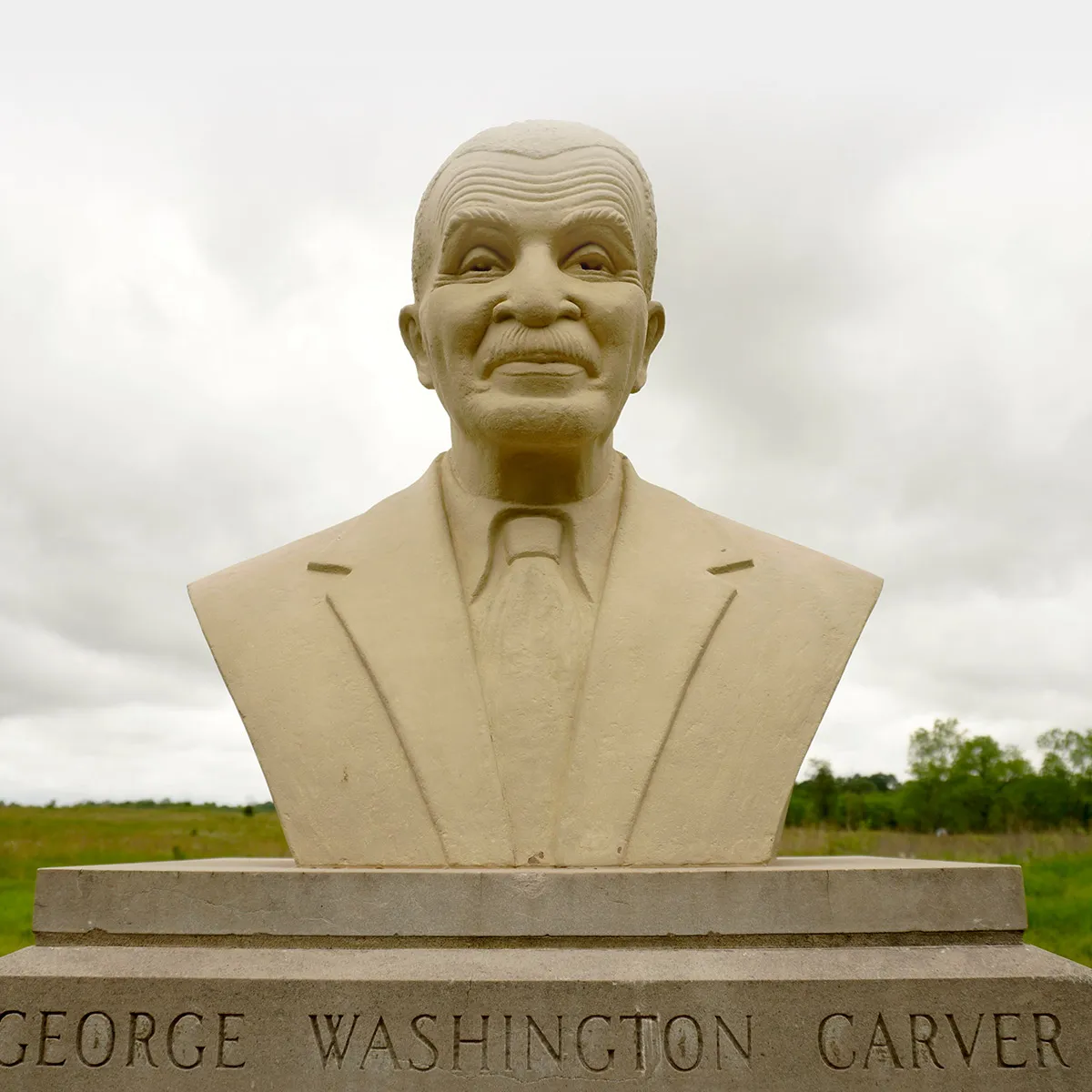 Photo: George Washington Carver, via nationaltoday.com
The real breakthrough came from an unexpected source: a St. Louis physician named Joseph Rosefield. In 1928, he developed a hydrogenation process that prevented the oil separation that made early peanut butter a messy, inconsistent product. His smooth, shelf-stable creation became the foundation for what we now recognize as modern peanut butter.
The Lunchbox Revolution
World War II changed everything. With meat severely rationed and women entering the workforce in unprecedented numbers, peanut butter and jelly sandwiches became the perfect solution for quick, nutritious meals. The combination was cheap, required no cooking, and could be prepared by children old enough to handle a butter knife.
Government meal programs accelerated the trend. School lunch initiatives promoted PB&J as an ideal child-friendly meal, and military rations included peanut butter as a reliable protein source. By 1945, American soldiers had introduced peanut butter to dozens of countries, though most found it bewildering.
The postwar suburban boom cemented peanut butter's place in American culture. As families moved to cookie-cutter neighborhoods and adopted standardized lifestyles, the PB&J sandwich became a unifying ritual of childhood. Mothers could pack identical lunches for their children, confident that the combination would provide adequate nutrition and universal appeal.
The Marketing Machine
What transformed peanut butter from wartime necessity to cultural institution was brilliant marketing. Companies like Jif and Skippy didn't just sell a product—they sold an American childhood experience. Television commercials featured wholesome families bonding over peanut butter, while print ads suggested that loving mothers chose specific brands for their children's wellbeing.
The industry also solved the adult resistance problem through clever positioning. While children embraced peanut butter's sweet, creamy texture, many adults found it cloying. So marketers pivoted, promoting "natural" and "crunchy" varieties that appealed to health-conscious parents while maintaining the product's child-friendly reputation.
By the 1960s, peanut butter had achieved something remarkable: it was simultaneously a health food and comfort food, a practical lunch solution and an emotional touchstone. The average American child consumed over 1,500 peanut butter sandwiches before graduating high school.
The $2 Billion Accident
Today, Americans consume roughly 700 million pounds of peanut butter annually—about three pounds per person. The industry that began with Dr. Kellogg's desperate attempt to feed toothless patients now generates over $2 billion in annual sales.
Yet peanut butter remains uniquely American. While we've exported many food innovations globally, most of the world still finds our peanut butter obsession baffling. Europeans prefer chocolate spreads, Asians stick to traditional nut pastes, and even Canadians—despite their physician's role in the invention—consume far less per capita.
The irony is perfect: a medical solution designed for people who couldn't chew became the defining food of American childhood, a period when we can chew anything. Dr. Kellogg's pragmatic paste accidentally created not just a product, but a ritual that binds generations of Americans together, one sticky sandwich at a time.