Born From Spite: How One Chef's Bad Day Created America's Most Beloved Snack
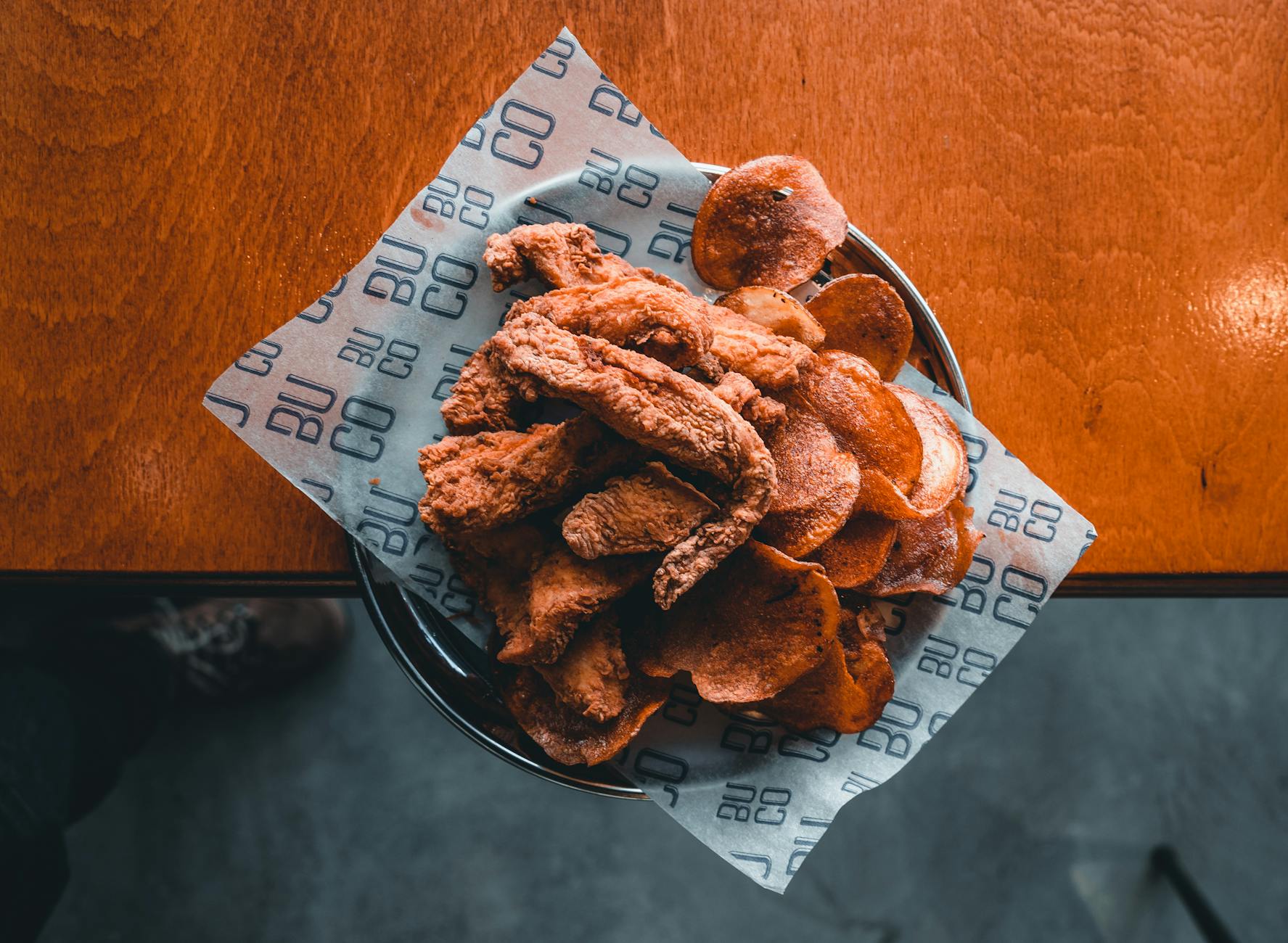
Born From Spite: How One Chef's Bad Day Created America's Most Beloved Snack
Picture this: it's a hot August evening in 1853. You're sitting in a fancy resort restaurant in Saratoga Springs, New York, and you've just sent your fried potatoes back to the kitchen — again. Too thick, you say. Too soggy. Not crispy enough.
For most chefs, that's an annoying moment. For George Crum, it was the last straw.
What happened next in that kitchen wasn't a stroke of culinary genius. It wasn't the result of years of experimentation or a carefully planned recipe. It was an act of petty frustration — and it accidentally produced one of the most consumed snack foods in American history.
The Complaint That Started Everything
George Crum was the head chef at Moon's Lake House, a popular resort restaurant on the shores of Saratoga Lake. He was known for his skill and his temper in equal measure. When a particularly difficult diner — some accounts name him as railroad tycoon Cornelius Vanderbilt, though historians debate this — kept sending his fried potatoes back, complaining they were too thick and undercooked, Crum had had enough.
In a move that was almost certainly meant to be uneatable rather than enjoyable, Crum sliced a batch of potatoes so thin they were nearly translucent, fried them until they were rigid and brittle, and loaded them with salt. His intention, by most accounts, was to embarrass the complaining customer — to serve something so extreme it couldn't possibly be eaten with a fork.
The customer loved them.
The rest of the dining room wanted them too.
From Kitchen Prank to Menu Staple
Crum's paper-thin fried potatoes became an immediate hit at Moon's Lake House. They were added to the menu as "Saratoga Chips" and quickly became one of the restaurant's signature offerings. Word spread fast, the way word does about anything delicious, and before long, other restaurants across New England were attempting their own versions.
For the first few decades, chips were a restaurant and home kitchen novelty — made fresh, served quickly, and impossible to store for long. The idea of buying them pre-packaged hadn't entered anyone's mind yet. That changed in the early 20th century, when a home cook named Laura Scudder had the idea of sealing chips inside wax paper bags to keep them fresh. That single packaging innovation transformed a kitchen curiosity into a product that could be manufactured, shipped, and sold at scale.
By the 1920s, companies like Lay's were beginning to industrialize the process, and the American snack food industry was quietly taking shape.
The Billion-Dollar Accident
Today, the potato chip industry in the United States generates over $10 billion in annual revenue. Americans consume roughly 1.85 billion pounds of potato chips every year. There are hundreds of flavors — barbecue, sour cream and onion, salt and vinegar, jalapeño, dill pickle — stacked floor to ceiling in every gas station, grocery store, and convenience shop across the country.
All of it traces back to one annoyed chef, one unreasonable customer, and one moment of culinary spite in a lakeside resort kitchen in upstate New York.
Crum himself never patented the chip. He went on to open his own restaurant, where a basket of chips sat on every table as a complimentary snack — a touch that was considered quite fashionable at the time. But he never sought to commercialize his creation or claim the financial rewards that would eventually flow from it. By the time the snack food industry turned chips into a cultural institution, Crum was long gone, and his name had largely faded from the story.
The Hidden Truth About Everyday Favorites
The potato chip's origin story is funny and a little absurd, but it points to something genuinely interesting about how the things we love most often come to exist. Nobody sat down to engineer the perfect snack. Nobody ran a focus group or conducted market research. A man got annoyed, made something ridiculous, and stumbled into greatness.
Some of the most enduring products in American life — things we reach for without thinking, things that feel like they've always been there — started exactly like this. Not with intention, but with accident. Not with vision, but with frustration, curiosity, or plain dumb luck.
Next time you tear open a bag of chips without a second thought, consider what it actually took to put them there. One bad day in a 19th-century kitchen. One customer who didn't know when to stop complaining. And one chef who, in the best possible way, completely lost his patience.
Some origin stories are grand. This one is just deeply, wonderfully human.