The Tip Jar Has a Dark Past: How Tipping Became America's Most Complicated Dining Habit
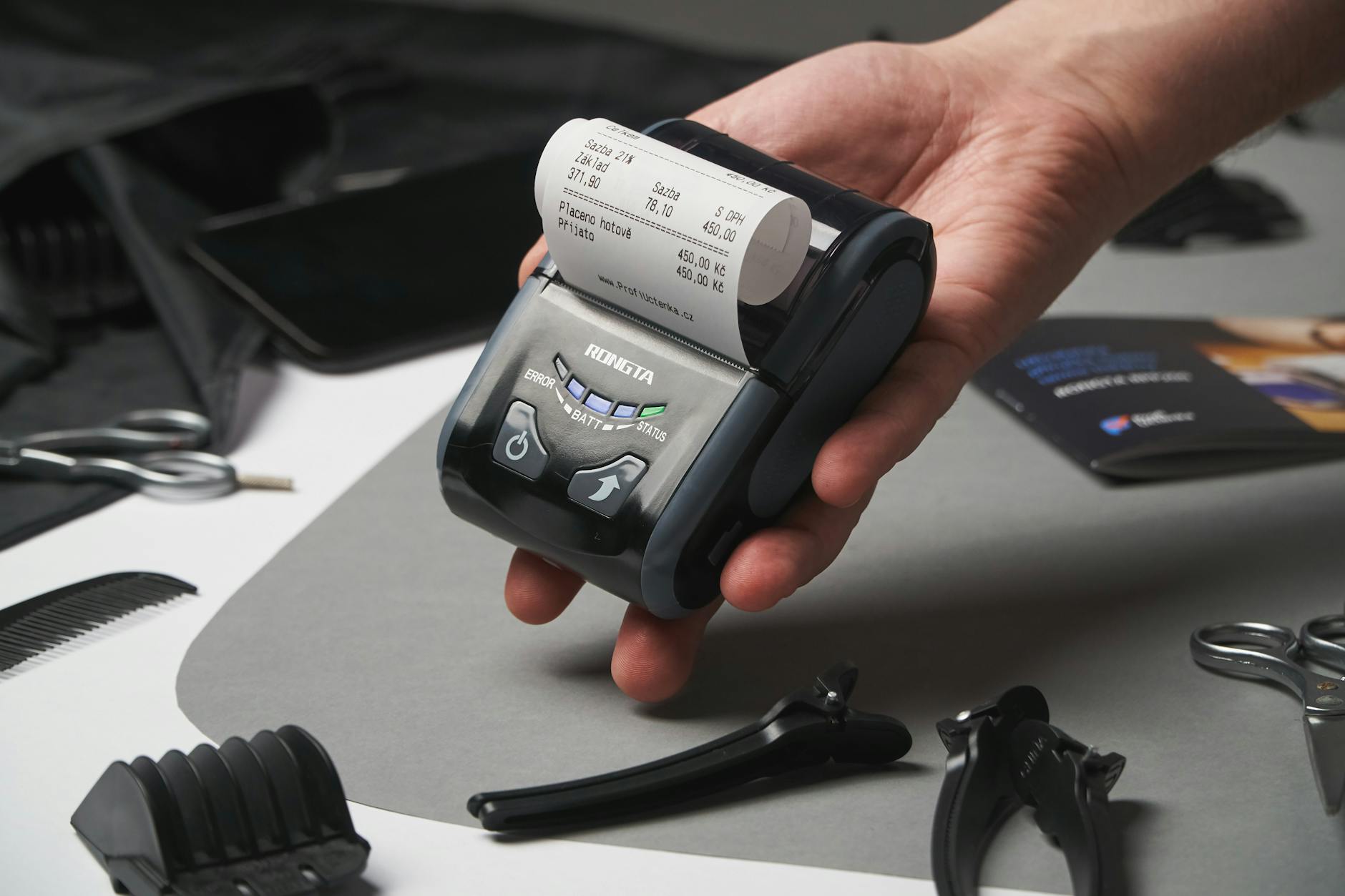
You Do It Without Thinking. But Should You?
The check arrives. You glance at the total, do a quick calculation — fifteen percent, maybe twenty if the service was good — and you write in a number. It takes about four seconds. It feels completely natural, almost automatic.
But tipping is not natural. It's not instinctive. It's a cultural habit with a specific history, and that history is a lot messier than the clean ritual of signing a receipt suggests.
How did the United States end up with one of the most entrenched tipping cultures in the world? The answer involves ocean liners, Reconstruction-era politics, and the end of Prohibition. None of it was inevitable.
It Didn't Start Here
The practice of giving a small extra payment to a service worker for good service originated in Europe — most likely in 17th or 18th century England, where wealthy patrons would slip coins to servants in private homes or workers at coaching inns. The word "tip" itself may derive from an old English term, though the exact etymology is genuinely disputed. What's less disputed is that tipping was, for a long time, a gesture associated with class — something the wealthy did to signal generosity and reinforce social hierarchy.
By the 19th century, the custom had spread through European dining culture, particularly in France, where it became common practice in restaurants and cafés. American travelers who visited Europe brought the habit home with them, introducing it to the US in the 1880s.
And a lot of Americans hated it immediately.
The Anti-Tipping Movement Nobody Remembers
This is the part of the story that tends to surprise people: tipping was genuinely controversial when it first arrived in the United States. Not just mildly unpopular — actively opposed.
Critics argued that tipping was fundamentally anti-democratic. It recreated a servant-master dynamic that Americans had supposedly rejected along with the British class system. William Scott, an American author who wrote a book called The Itching Palm in 1916, called tipping a form of "flunkyism" that degraded both the giver and the receiver. He wasn't a fringe voice — he was reflecting a sentiment that had real traction at the time.
Between roughly 1905 and 1915, six US states actually passed laws banning tipping in various forms. Washington, Mississippi, Arkansas, Iowa, South Carolina, and Tennessee all took legislative swings at the practice. The laws were largely unenforceable and eventually repealed, but their existence tells you something important: tipping was not a seamless cultural import. It was contested ground.
So why did it win?
The Labor Loophole That Made Tipping a Structural Necessity
To understand how tipping went from a contested foreign custom to an entrenched American institution, you have to look at what was happening in the US labor market in the decades after the Civil War.
When formerly enslaved people entered the wage economy after emancipation, many employers — particularly in the railroad and hospitality industries — found a convenient workaround to avoid paying them fair wages. George Pullman, who built the famous Pullman sleeping cars that crisscrossed the country, famously employed almost exclusively Black men as porters and paid them minimal base wages, expecting them to survive primarily on tips from passengers.
The same logic spread through the restaurant and hotel industries. Tipping became a mechanism that allowed employers to shift the cost of labor onto customers, while also relying on racial and economic hierarchies to make the arrangement seem normal. The workers most dependent on tips were, disproportionately, workers with the fewest alternatives.
By the early 20th century, tipping had moved from being a voluntary gesture of appreciation to being a de facto wage subsidy — and the restaurant industry had every financial incentive to keep it that way.
Prohibition Sealed the Deal
If the post-Civil War period planted tipping firmly in American dining culture, Prohibition — which ran from 1920 to 1933 — made it nearly impossible to dislodge.
Before Prohibition, restaurants made significant revenue from alcohol sales. When that revenue disappeared overnight, restaurant owners faced a financial crisis. Labor costs became an even more acute pressure point, and the tipped wage model — in which employers could legally pay tipped workers far less than the standard minimum wage — became a lifeline for the industry.
When Prohibition ended, the economic logic of the tipped wage model was already baked in. Restaurants had restructured around it. Legislation had accommodated it. And crucially, customers had grown accustomed to it.
The National Restaurant Association — sometimes called "the other NRA" — has lobbied aggressively for more than a century to maintain the federal tipped minimum wage, which currently sits at $2.13 per hour, a number that hasn't changed since 1991. The gap between that rate and the standard federal minimum wage is supposed to be covered by tips. When it isn't, employers are legally required to make up the difference — but enforcement is inconsistent, and many workers never see it.
Why It Still Matters — And Why It's Still Being Debated
The tipping debate has roared back into public conversation in recent years, driven partly by the proliferation of digital payment systems that prompt customers for tips in increasingly unexpected contexts — coffee shops, food trucks, self-checkout kiosks. Many Americans feel the social pressure of tipping has expanded well beyond its original boundaries, and some are pushing back.
At the same time, a growing number of restaurants have experimented with no-tipping models, building service costs directly into menu prices and paying workers a full wage. The results have been mixed, and many have reversed course after finding that customers — shaped by more than a century of tipping culture — resist the higher prices even when they understand the logic.
The custom that Americans once tried to ban by law is now so embedded in the economic structure of the restaurant industry that unwinding it is genuinely complicated.
That four-second ritual with a pen and a receipt? It carries more history than most people realize.