The Surplus Dye That Nobody Wanted Until It Dressed a Nation
The Color Nobody Could Sell
In the 1850s, European textile mills had a problem. Mountains of indigo dye sat rotting in warehouses from London to Lyon, a stubborn blue pigment that had fallen out of fashion among Europe's upper classes who preferred newer, brighter synthetic colors. The natural dye, extracted from plants cultivated in colonial plantations, was considered too coarse, too working-class, too common for refined European tastes.
This surplus would have been just another footnote in industrial history—except a Bavarian immigrant named Levi Strauss was looking for the cheapest, most durable fabric he could find.
When Practical Met Unwanted
Strauss wasn't trying to invent an American icon. He was trying to solve a very specific problem: California gold miners kept tearing through their pants. The rough canvas and cotton fabrics available in San Francisco in the 1870s simply couldn't withstand the daily punishment of pickaxes, shovels, and crawling through mine shafts.
The solution came from an unexpected partnership. Jacob Davis, a Nevada tailor, had been experimenting with adding metal rivets to stress points on work pants—a technique borrowed from harness-making. But he needed capital to patent the idea and scale production. Strauss had the money and the fabric connections.
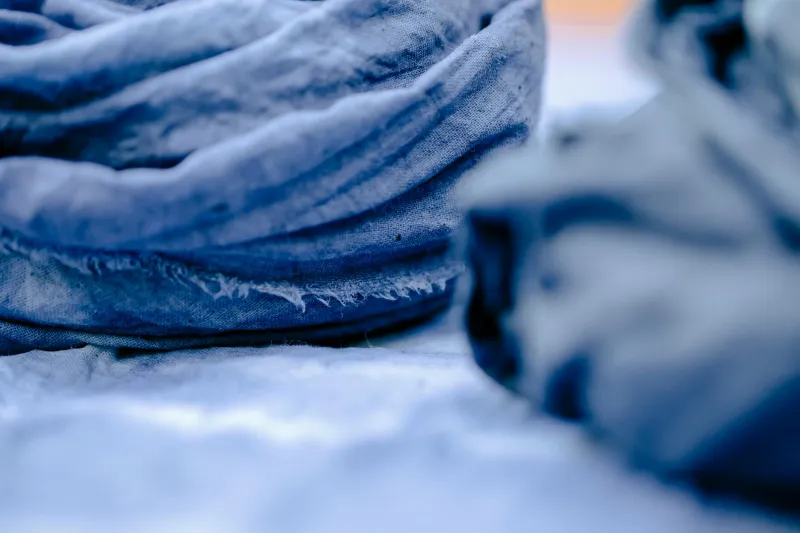
What Strauss could source cheaply was that unwanted European indigo-dyed denim. The fabric was tough, the price was right, and the color was practical—it didn't show dirt the way lighter fabrics did. More importantly, indigo had a peculiar quality that other dyes lacked: it sat on the surface of cotton fibers rather than penetrating them completely. This meant the fabric would fade and wear in distinctive patterns, creating what we now recognize as the lived-in look of broken-in jeans.
The Accidental Democracy of Blue
What happened next surprised everyone, including Strauss. The indigo-dyed work pants didn't stay confined to mines and ranches. By the 1930s, Hollywood westerns had romanticized the cowboy look, and suddenly those practical blue pants carried cultural weight. They represented authenticity, ruggedness, the American frontier spirit.
World War II accelerated the transformation. When fabric rationing limited civilian clothing options, sturdy denim became both patriotic and practical. Factory workers across the country adopted the uniform of western laborers, and "blue collar" stopped being just a description of work clothes—it became an identity.
The real breakthrough came in the 1950s when teenagers discovered that wearing work clothes horrified their parents. James Dean's rebel-without-a-cause image in blue jeans wasn't a fashion statement—it was generational warfare. Schools banned denim. Parents forbade it. Which, naturally, made it irresistible.
From Industrial Waste to Cultural Export
By the 1960s, the cheap indigo dye that European mills had been desperate to unload had become America's most recognizable cultural export. Blue jeans crossed every social boundary—worn by factory workers and fashion models, farmers and rock stars, conservatives and counterculture revolutionaries.
The specific shade of indigo that defines classic denim wasn't chosen for its beauty or symbolic meaning. It was chosen because it was available, affordable, and practical. The fact that it would become synonymous with American identity was pure accident.
Today, Americans own an average of seven pairs of jeans, and the global denim market generates over $90 billion annually. That stubborn blue dye that nobody wanted has become the most democratically worn color in human history—crossing cultures, classes, and continents with an ease that would have baffled those European textile merchants who couldn't give it away.
The Hidden Legacy
The next time you pull on a pair of jeans, remember: you're wearing the color of industrial surplus, dyed with a pigment that was considered too common for polite European society. That signature indigo blue wasn't a design choice—it was an economic accident that accidentally captured the American spirit of making something extraordinary from whatever materials were at hand.
Sometimes the most powerful symbols emerge not from grand design, but from practical people solving everyday problems with whatever happens to be available. In this case, what was available was a dye nobody else wanted, and what emerged was the unofficial uniform of a nation.