The Hollywood Sound That Started as a Studio Throwaway
The Scream That Wouldn't Die
Every time a stormtrooper falls off a ledge in Star Wars, gets zapped by a lightsaber, or tumbles into a pit, you hear the same thing: a distinctive, almost cartoonish scream that sounds like "AHHHHHHHHH-hoo-hoo-hoo-hooooo!" Most moviegoers don't consciously notice it, but their ears have been trained by decades of repetition to expect this exact sound whenever someone takes a dramatic fall in a Hollywood film.
That scream has a name—the Wilhelm Scream—and it started as the kind of throwaway studio work that was supposed to disappear into history.
A Voice Actor's Forgotten Afternoon
In 1951, Warner Bros. was cranking out B-movies on tight budgets and tighter schedules. One of these films, "Distant Drums," needed sound effects for a scene where a soldier gets eaten by an alligator in the Florida Everglades. The studio brought in a voice actor—likely Sheb Wooley, though the identity was never officially confirmed—to record a series of screams and death sounds.
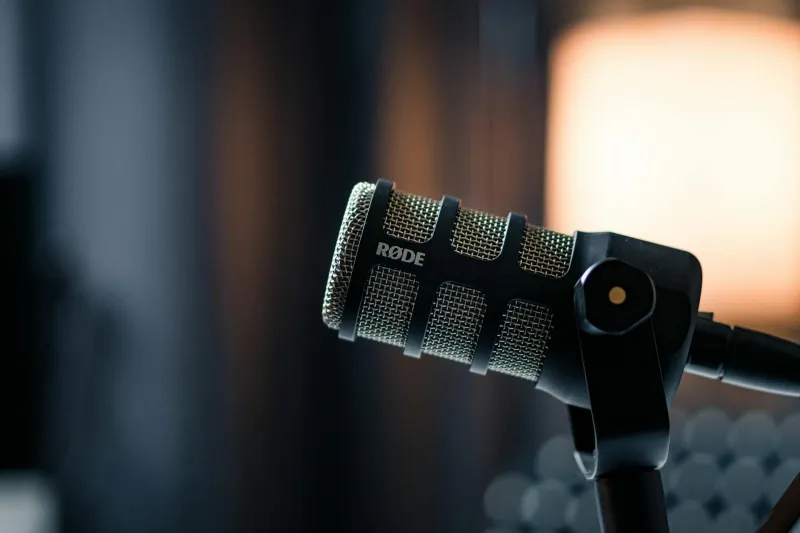
The session was routine. The actor stood in front of a microphone and delivered six different screams, each one catalogued and filed away in the studio's sound library. One of these screams, labeled simply as "man getting bit by alligator, and he screams," would become take four in a series that nobody thought twice about.
The scream was used exactly as intended in "Distant Drums," and then it sat in Warner Bros.' sound archives, waiting to be forgotten like thousands of other generic audio clips.
The Western That Gave It a Name
Two years later, the same scream found new life in "The Charge at Feather River," a 3D Western starring Guy Madison. In the film, a character named Private Wilhelm gets shot in the leg with an arrow and lets out that same distinctive "AHHHHHHHHH-hoo-hoo-hoo-hooooo!"
The character's name stuck to the sound effect, and studio sound engineers started referring to it as "the Wilhelm Scream." But even with a name, it remained just another tool in the audio toolbox—useful, available, and utterly unremarkable.
For the next twenty years, the Wilhelm Scream appeared sporadically in films, usually when sound designers needed a quick human scream and didn't want to record something new. It showed up in "The Treasure of the Sierra Madre," "PT 109," and other films where budget-conscious studios recycled existing audio rather than create original effects.
The Film Student Who Changed Everything
The Wilhelm Scream's transformation from forgotten sound bite to cultural phenomenon began in the early 1970s with Ben Burtt, a film student at USC who was obsessed with the history of movie sound effects. While researching old Hollywood audio techniques, Burtt discovered the scream in Warner Bros.' archives and became fascinated by its distinctive quality.
Burtt had a theory: he believed audiences developed subconscious familiarity with repeated sounds, even if they couldn't consciously identify them. The Wilhelm Scream became his test case for this idea.
When George Lucas hired Burtt to create the sound design for "Star Wars" in 1977, the young sound engineer saw his chance. He quietly inserted the Wilhelm Scream into the film—a stormtrooper falling into a chasm on the Death Star lets out that same 1951 recording. Most viewers didn't notice, but Burtt had planted the seed for something bigger.
The Secret Society of Sound Designers
Burtt's use of the Wilhelm Scream in "Star Wars" caught the attention of other sound designers, who began using it as an inside joke and professional calling card. The scream appeared in "Raiders of the Lost Ark," "Poltergeist," "Batman Returns," and dozens of other major films throughout the 1980s and 1990s.
What started as one sound engineer's experiment became an informal tradition among Hollywood's audio professionals. Using the Wilhelm Scream was like signing your work—a way for sound designers to acknowledge their craft's history while having fun with audiences who were in on the joke.
The internet age turned this professional inside joke into a global phenomenon. Film fans began cataloguing every appearance of the Wilhelm Scream, creating websites and YouTube compilations that revealed just how pervasive this single 1951 recording had become.
The Sound of Modern Hollywood
Today, the Wilhelm Scream appears in everything from "Lord of the Rings" to "Transformers" to "Toy Story." It's been used in video games, TV shows, and even commercials. What began as a forgotten piece of studio busywork has become one of cinema's most recognizable audio signatures.
The scream's journey reveals something profound about how popular culture actually works. While we think of movies as carefully crafted original works, they're often built on a foundation of recycled elements that most audiences never consciously notice. The Wilhelm Scream is just the most obvious example—a single voice from 1951 that has been quietly shaping our movie-watching experience for over 70 years.
The Hidden History in Plain Sight
The next time you watch a blockbuster and hear that distinctive "AHHHHHHHHH-hoo-hoo-hoo-hooooo!" remember that you're listening to a piece of accidental history. A voice actor whose name we'll never know for certain, recorded in a Warner Bros. studio over seven decades ago, continues to "die" dramatically in films watched by millions of people worldwide.
The Wilhelm Scream proves that sometimes the most enduring elements of popular culture are the ones that were never meant to endure at all. In a business obsessed with creating the next big thing, a throwaway sound effect from 1951 quietly became the most successful audio meme in entertainment history—and most people still don't even know it exists.