The General's Useless Cargo That Gave America Its Chewing Habit
The General's Useless Cargo That Gave America Its Chewing Habit
Right now, somewhere in America, someone is chewing gum. They're probably not thinking about it. It's just there — tucked between the molars, doing its quiet, purposeless work. It's one of the most automatic habits in the country: the gas station rack, the checkout line impulse, the post-lunch reflex.
But modern chewing gum in America has a specific origin story, and it's stranger than most people would guess. It involves a deposed military general, a Staten Island inventor, a failed industrial experiment, and a type of tree that grows in the jungles of southern Mexico.
The Tree and the General
Deep in the forests of the Yucatán Peninsula grows a tree called the sapodilla. For centuries, the indigenous peoples of Mexico and Central America had known that if you cut the bark of a sapodilla tree, it weeps a thick, milky latex called chicle. When dried and kneaded, chicle becomes a rubbery, slightly sweet substance. The Maya chewed it. So did the Aztecs. So did generations of Mexicans who grew up near sapodilla forests.
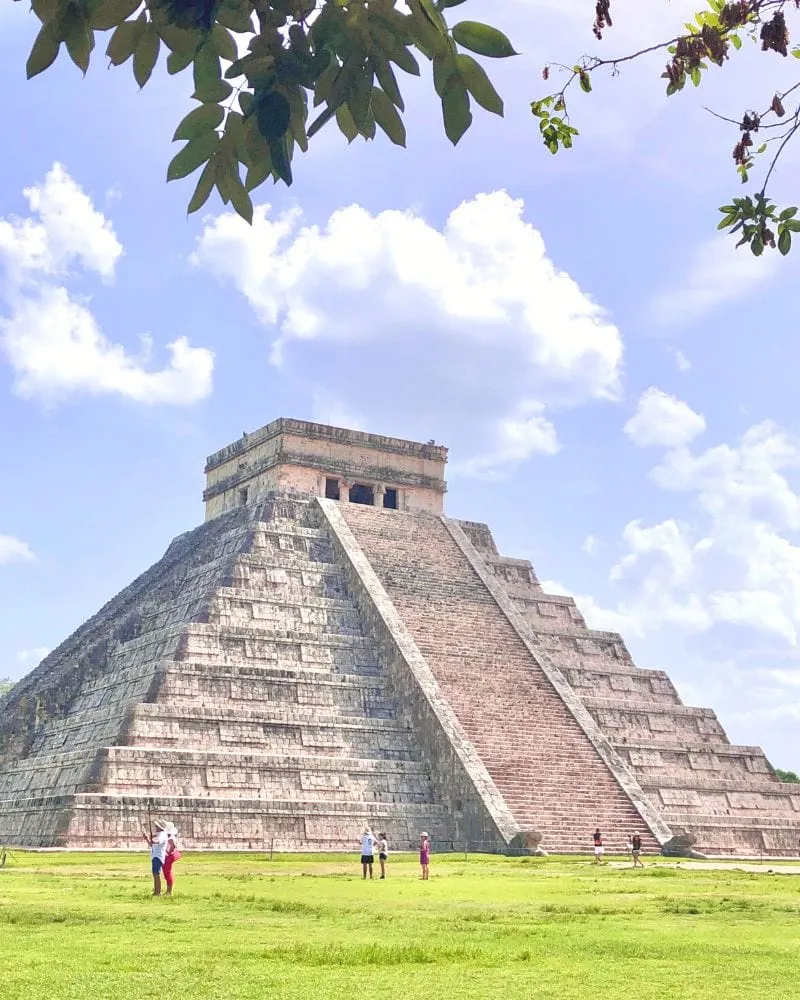 Photo: Yucatán Peninsula, via traveltomerida.com
Chicle was never a commodity. It was just something you did, like chewing on a blade of grass. It had no industrial application that anyone could identify, and so it remained a local habit, largely invisible to the outside world.
Enter Antonio López de Santa Anna.
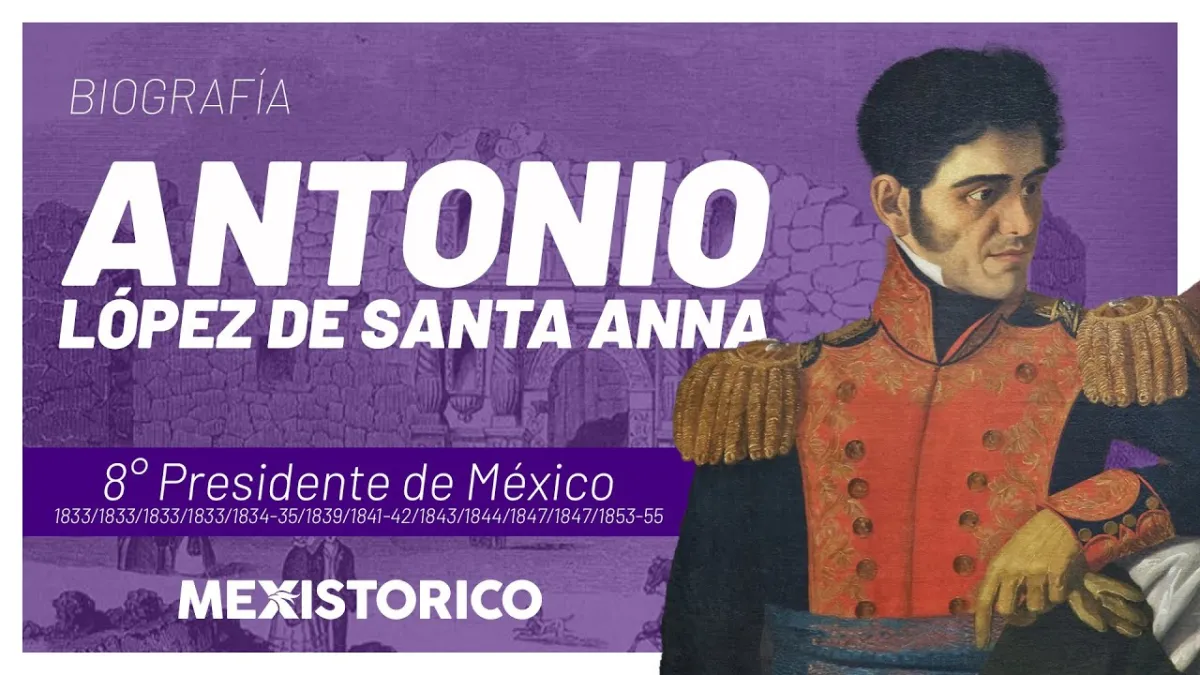 Photo: Antonio López de Santa Anna, via i.ytimg.com
Santa Anna is one of the more dramatic figures in Mexican history — a general and politician who served as president of Mexico eleven times and who is perhaps best known in the United States as the commander of the Mexican forces at the Battle of the Alamo in 1836. By the late 1860s, Santa Anna had been exiled from Mexico following years of political turbulence. He was living in New York — specifically on Staten Island — waiting for the political winds to shift so he could return home and reclaim his influence.
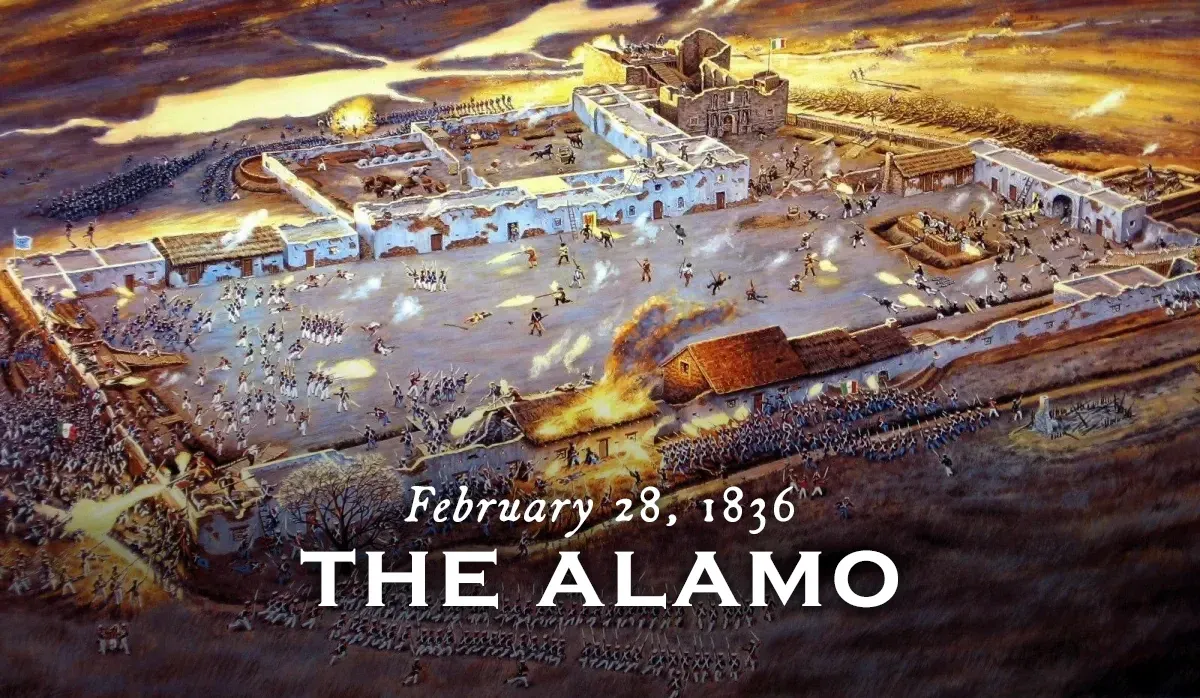 Photo: Battle of the Alamo, via www.americanhistorycentral.com
He brought chicle with him.
Santa Anna apparently chewed chicle habitually — it was a deeply ingrained Mexican custom — and he had brought a substantial quantity of it with him into exile. Exactly why he had so much of it remains somewhat unclear. Some accounts suggest he genuinely believed chicle could be vulcanized like rubber and had commercial potential. Others suggest he was simply a man who chewed a lot of gum and traveled heavily.
The Inventor in the Storage Unit
Santa Anna's Staten Island neighbor was a man named Thomas Adams — a photographer and inventor with a restless mind and a recurring need to find the next big commercial opportunity.
Adams met Santa Anna and became interested in the chicle. The timing was significant: natural rubber was expensive and difficult to source, and there was enormous industrial demand for a cheaper alternative. If chicle could be vulcanized — treated with sulfur and heat the way Charles Goodyear had transformed rubber — it could potentially replace rubber in tires, boots, toys, and dozens of other products.
Adams obtained a large quantity of chicle from Santa Anna and set to work. He experimented for months, trying every variation of the vulcanization process he could think of. Nothing worked. Chicle stubbornly refused to behave like rubber. It wouldn't harden properly. It wouldn't hold a shape under stress. As an industrial material, it was useless.
By the end of his experiments, Adams had a warehouse full of chicle, no viable product, and a significant financial loss. Santa Anna, having run out of patience and political prospects in New York, had returned to Mexico. Adams was left holding the bag — or more precisely, the latex.
The Accidental Pivot
The story could have ended there. But Adams noticed something while cleaning up the remnants of his failed experiments: chicle felt oddly pleasant to chew. It was soft, it had a subtle flavor, and it held up under extended chewing in a way that the paraffin-based "chewing gum" products already on the American market simply didn't.
Paraffin wax gum existed in the mid-1800s — it had been sold in New England since the 1840s — but it was brittle, tasteless, and unpleasant by most accounts. People bought it anyway because the urge to chew something, apparently, is persistent.
Adams began shaping his chicle into small balls and sticks. In 1871, he received a patent for a machine that could produce chicle-based gum at scale. He began selling it — initially without flavor, just plain chicle — under the name "Adams New York Gum No. 1."
It sold. People preferred it immediately and overwhelmingly to the paraffin alternatives. The texture was different. The chew was more satisfying. Something about the way chicle behaved in the mouth felt almost engineered for the purpose — which, in a sense, it was, having been refined over centuries of use by people who knew exactly what good chewing gum should feel like.
Adams added licorice flavoring to a second variety and called it Black Jack — one of the first flavored gums in American history. It became enormously popular and remained in production, with some interruptions, for over a century.
The Industry That Grew From a Failed Experiment
The gum industry that Adams accidentally launched grew quickly. William Wrigley Jr. entered the market in the 1890s and built it into a global business. By the early twentieth century, American chewing gum was a mass-market product sold in every corner store in the country, exported internationally, and issued to soldiers during both World Wars as a morale item and a tool for managing stress and hunger.
The chicle supply chain that Adams established became a significant economic force in southern Mexico and Central America, employing thousands of chicleros — workers who tapped sapodilla trees in the jungle — until synthetic gum bases began replacing natural chicle in the mid-twentieth century.
Today, most commercial chewing gum is made from synthetic polymers rather than chicle. The sapodilla forests of the Yucatán still stand, but the chiclero industry that once fed the American gum habit has largely faded.
What the General Left Behind
Santa Anna never made money from chicle. He returned to Mexico, lived out his remaining years in obscurity, and died in 1876 — the same year Adams was building what would become one of America's most enduring consumer habits.
The general had brought a tree sap to New York for reasons that were never entirely clear, failed to turn it into rubber, and inadvertently handed an inventor the raw material for an industry worth billions.
Not every origin story is tidy. Some of the best ones involve a storage unit full of failure and someone who couldn't stop chewing.