Stripes of Shame: How America's Prison Uniform Became the Height of Cool

The Mark of Disgrace
That casual striped shirt you threw on this morning carries a secret history that most Americans would find shocking. Those horizontal black and white stripes weren't originally a fashion choice—they were a punishment uniform specifically designed to mark criminals and make escaped convicts as visible as possible to the public.
The striped prison uniform emerged in the mid-1800s as part of the Auburn prison system, a revolutionary approach to incarceration that emphasized both punishment and rehabilitation. The distinctive horizontal stripes served multiple purposes: they were cheap to produce, impossible to mistake for civilian clothing, and created an instantly recognizable silhouette that would help recapture any prisoner who managed to escape.
Prison administrators chose horizontal stripes deliberately because they were considered deeply unflattering and psychologically demoralizing. The pattern was thought to make inmates appear wider, shorter, and less dignified—a visual reminder of their fallen status in society.
An Unexpected Escape Route
The first crack in the prison stripe's shameful reputation came from an unlikely source: the United States Navy. Sailors had been wearing horizontal striped shirts since the early 1800s, but their stripes were blue and white, not the stark black and white of prison uniforms. Naval stripes served a practical purpose—they made sailors easier to spot if they fell overboard.
As American maritime culture grew in the late 1800s and early 1900s, civilian fascination with nautical life began to blur the lines between prison stripes and sailor stripes. Coastal communities, especially in New England, started adopting striped shirts as casual wear, though they carefully chose blue and white variations to avoid any association with incarceration.
The Artist's Rebellion
The real transformation began in 1920s Paris, where American expatriate artists and writers embraced the striped shirt as a symbol of bohemian rebellion. Artists like Pablo Picasso famously adopted the striped marinière (French sailor's shirt) as their daily uniform, turning what had been working-class maritime wear into an artistic statement.
 Photo: Pablo Picasso, via cdn.britannica.com
These American artists brought the striped aesthetic back to the United States, but with a crucial difference—they were reclaiming the pattern from its shameful prison origins and transforming it into a symbol of creative nonconformity. The stripes that had once marked society's outcasts now marked society's creative rebels.
Hollywood's Magic Touch
The 1930s and 1940s saw Hollywood costume designers discover the photogenic power of horizontal stripes. On black and white film, striped shirts created dynamic visual interest and helped define character silhouettes. Leading men like Cary Grant and James Dean were frequently photographed in striped shirts, cementing the pattern's association with effortless masculine style.
Costume designers deliberately played with the prison association, using stripes to suggest characters who were rebels, outsiders, or charmingly roguish. The prison connection wasn't erased—it was transformed into something dangerously attractive.
The French Connection
Post-World War II America's fascination with French culture accelerated the striped shirt's transformation. The marinière became associated with sophisticated European style, particularly after actresses like Brigitte Bardot and Audrey Hepburn popularized the look in influential films.
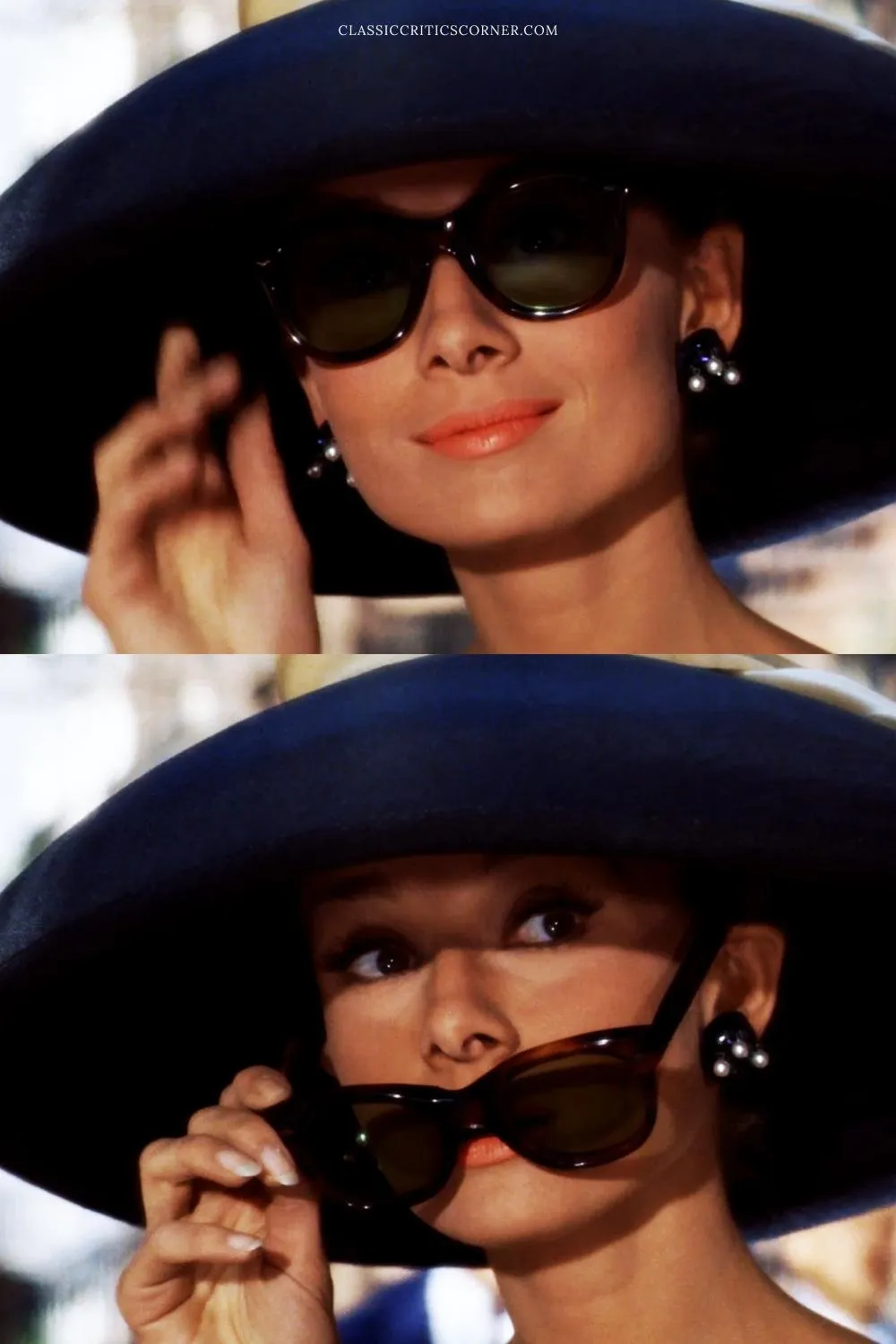 Photo: Audrey Hepburn, via images.squarespace-cdn.com
American fashion magazines began featuring striped shirts as essential wardrobe pieces, completely divorced from their prison origins. By the 1950s, the same pattern that had once marked criminals was being sold in upscale department stores as the epitome of casual elegance.
The Suburban Revolution
The 1960s saw the final transformation of prison stripes into mainstream American fashion. As casual wear became more acceptable in professional and social settings, the striped shirt emerged as a versatile piece that could be dressed up or down. Suburban families embraced stripes as safe rebellion—edgy enough to feel modern, but respectable enough for country club brunches.
Retailers began marketing striped shirts with nautical imagery and French sophistication, completely erasing any mention of their prison origins. The pattern that had once been designed to humiliate was now sold as a symbol of timeless style and European sophistication.
The Ultimate Irony
Today, horizontal striped shirts are among the most popular casual wear items in America, with everyone from tech CEOs to suburban moms sporting the pattern. Major fashion brands like J.Crew, Gap, and Ralph Lauren have built entire collections around variations of the striped shirt, treating it as a fundamental building block of American casual style.
The irony is profound: millions of Americans daily choose to wear a pattern specifically designed to mark and shame social outcasts. What was once the most stigmatizing uniform in American society has become one of its most coveted fashion statements.
The Pattern's Hidden Power
The transformation of prison stripes into fashion staples reveals something fascinating about how cultural meanings can be completely inverted over time. The same visual elements that once signified disgrace now signify effortless cool, artistic sensibility, and sophisticated casual style.
Perhaps most remarkably, the prison stripe's journey to respectability happened so completely that most Americans wearing striped shirts today have no idea they're sporting a pattern designed to humiliate criminals. The shame has been so thoroughly erased that the original purpose seems almost unbelievable.
The next time you pull on a striped shirt, remember that you're wearing the legacy of 19th-century prison reform, maritime tradition, artistic rebellion, and Hollywood glamour. Sometimes the coolest fashion statements have the most unlikely beginnings—and sometimes what society rejects eventually becomes what everyone wants to wear.