The Little Book That Went to War and Changed Who Gets to Be a Reader
In 1943, a soldier stationed somewhere in the Pacific could reach into his uniform pocket and pull out a copy of The Great Gatsby. Not a heavy hardcover. Not a library book he'd have to return. A slim, lightweight, magazine-sized volume designed to fit inside a standard-issue jacket pocket — printed cheaply, distributed freely, and his to keep.
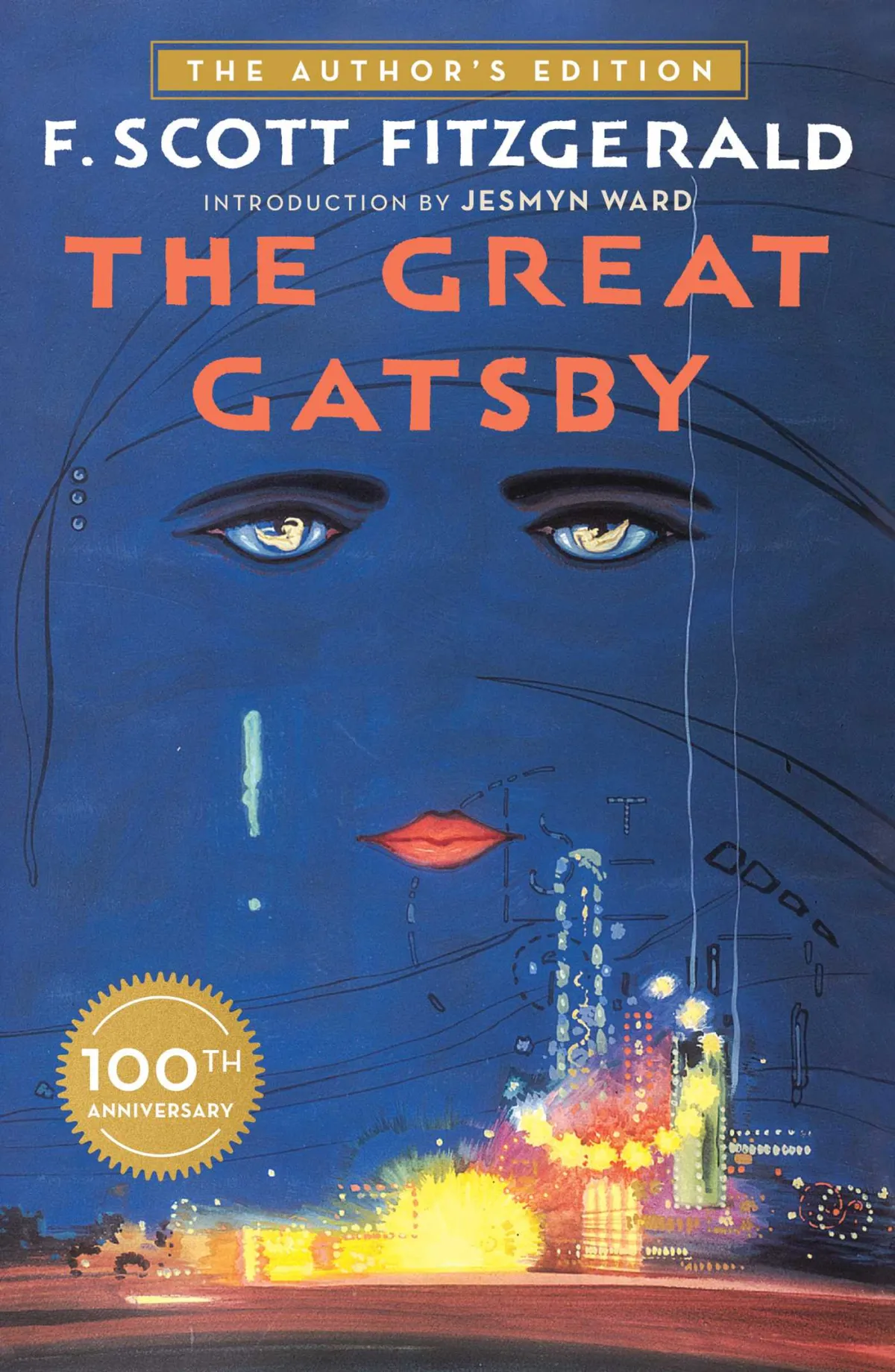 Photo: The Great Gatsby, via d28hgpri8am2if.cloudfront.net
He probably didn't think of it as a historic moment. He was just looking for something to do between stretches of boredom and terror.
But what was happening across millions of those pockets, on troopships and in foxholes and at military bases from England to the Philippines, was something that would quietly reshape American culture long after the war ended. A paper shortage had forced publishers into an emergency workaround. And that workaround accidentally democratized reading for an entire nation.
Books Were a Luxury, and Everyone Knew It
To understand why the Armed Services Editions mattered, you have to understand what book ownership looked like in early 20th-century America.
Books were expensive. Hardcovers — the only real format available through most of the 1930s — cost the equivalent of several hours of a factory worker's wages. Public libraries existed, but access was uneven, particularly in rural areas and for communities that faced segregation. Buying a book for yourself, keeping it on a shelf, choosing it freely — that was largely a middle-class and upper-class experience.
Reading wasn't gatekept by law or policy. It was gatekept by price.
When millions of American men were drafted in the early 1940s, many of them came from households where a personal book collection simply didn't exist. Some had never owned a book that wasn't a school textbook. The idea of reading for pleasure — of having a novel in your possession just because you wanted it — was genuinely foreign.
The Shortage That Forced a Reinvention
World War II created catastrophic paper shortages across the United States. Newsprint, packaging, military documentation — paper was being consumed at an unprecedented rate, and the government rationed what remained. Publishers, already operating on thin margins, found themselves squeezed.
At the same time, the Council on Books in Wartime — a coalition of American publishers, authors, and booksellers formed in 1942 — recognized something important: soldiers overseas needed reading material. Not just for morale, though that mattered. Reading reduced anxiety. It passed time. It reminded men of home. It kept minds active during the brutal monotony of military life.
The problem was getting books to them. Standard hardcovers were heavy, bulky, and expensive to produce and ship. The math didn't work.
So publishers did something radical. They redesigned the book entirely.
The Armed Services Editions were printed in a horizontal format, roughly the size of a thick magazine, on lightweight paper using a process that allowed two books to be printed side by side on a single press sheet and then cut apart. They were paperback — not in the modern sense, but bound with a flexible paper cover rather than rigid boards. They were cheap to produce, light enough to mail in bulk, and sized specifically to slide into the back pocket of a military uniform.
Between 1943 and 1947, the program distributed approximately 123 million copies of more than 1,300 titles to American service members. The titles ranged from literary classics to pulp westerns to Betty Smith's A Tree Grows in Brooklyn. There was no single genre, no single reading level. The goal was volume and variety.
What Happened When Soldiers Came Home
Here is where the accident reveals itself.
The men who came home from the war came home as readers. Many of them — for the first time in their lives — had spent years with books in their hands, reading not because a teacher assigned it but because there was nothing else to do and the book was right there. They had developed tastes. They had opinions about authors. They had finished a novel on a troopship and immediately wanted another one.
And they had learned something that the publishing industry hadn't fully counted on: they liked owning books. Having them. Keeping them.
Publishers, watching this shift, made a calculated bet. If these men would read cheap paperbacks at war, they'd buy cheap paperbacks at home.
In 1945, Pocket Books — which had been quietly operating since 1939 but struggled to gain traction — expanded aggressively. Bantam Books launched. Dell, Popular Library, and Signet followed. By the late 1940s, mass-market paperbacks were being sold not just in bookstores but in drugstores, newsstands, train stations, and five-and-dime shops. Anywhere foot traffic existed, paperbacks appeared.
The price point was the point. Twenty-five cents. Later, thirty-five. Cheap enough that a factory worker or a secretary or a teenager with allowance money could buy one without thinking twice.
The Democracy of the Drugstore Rack
What the Armed Services Editions had started, the mass-market paperback industry finished. Reading stopped being a class marker.
The rotating wire rack — that slightly chaotic display of paperbacks that stood near the cash register at every drugstore in America through the 1950s, 60s, and 70s — became one of the most quietly significant pieces of furniture in American cultural history. It put Hemingway next to pulp mysteries. It put science fiction next to romance. It asked no questions about your education or your income. You picked what you wanted and paid a quarter.
The used bookstore followed naturally from this shift. Once people owned books — cheap, plentiful, personal — they accumulated more than they could keep. Secondhand shops filled with paperbacks became neighborhood institutions, further extending the reach of affordable reading into communities that still couldn't afford new copies.
What a Paper Shortage Left Behind
Nobody planned any of this. The Armed Services Editions weren't designed to revolutionize American literacy. They were designed to solve a logistics problem: how do you get reading material to 12 million soldiers when paper is scarce and shipping weight matters?
The answer they stumbled onto turned out to have implications far beyond the war. It changed the physical format of books. It changed who bought them. It changed where they were sold. It changed the assumption — quiet but powerful — that serious reading was for a particular kind of person.
The next time you pick up a paperback at an airport, a thrift store, or a little free library box at the end of someone's driveway, you're holding something that has a stranger history than it looks. It started as emergency packaging for a generation of soldiers who needed something to read between battles.
It ended up changing who got to be a reader.