Grounded by Rubber, Born for the Road: How WWII Shortages Built America's Highway Dreams
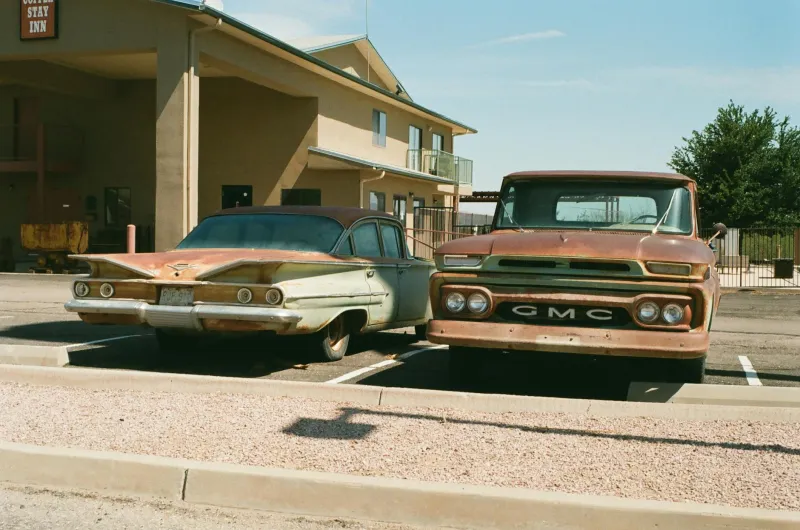
The Day America Parked Its Dreams
December 27, 1941. Three weeks after Pearl Harbor, President Roosevelt delivered news that would reshape American culture in ways nobody could predict: the nation's rubber supply was cut off. Japanese forces had seized 90% of the world's rubber plantations in Southeast Asia, and every tire, every gasket, every piece of rubber in America suddenly became a strategic resource.
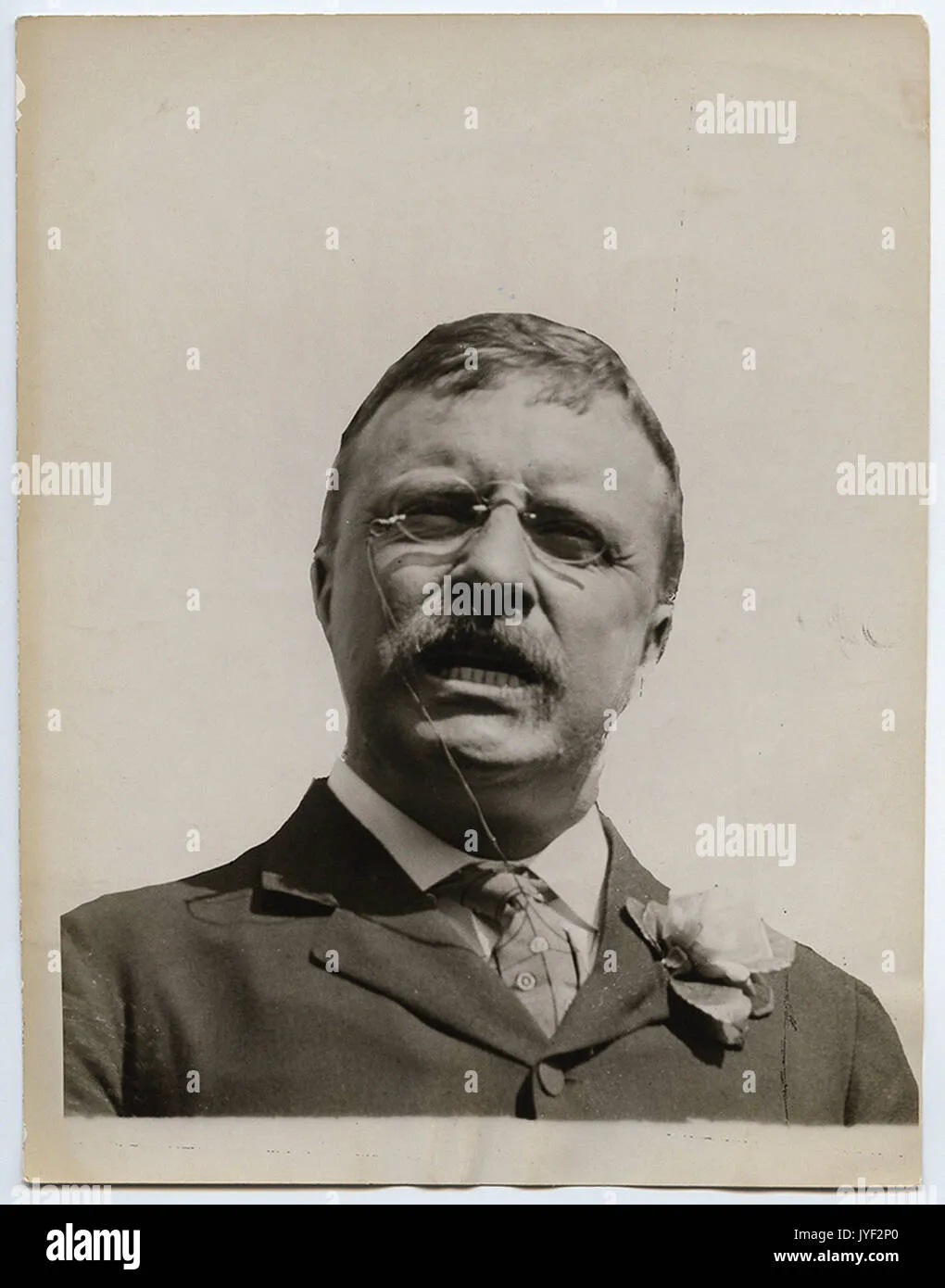 Photo: President Roosevelt, via c8.alamy.com
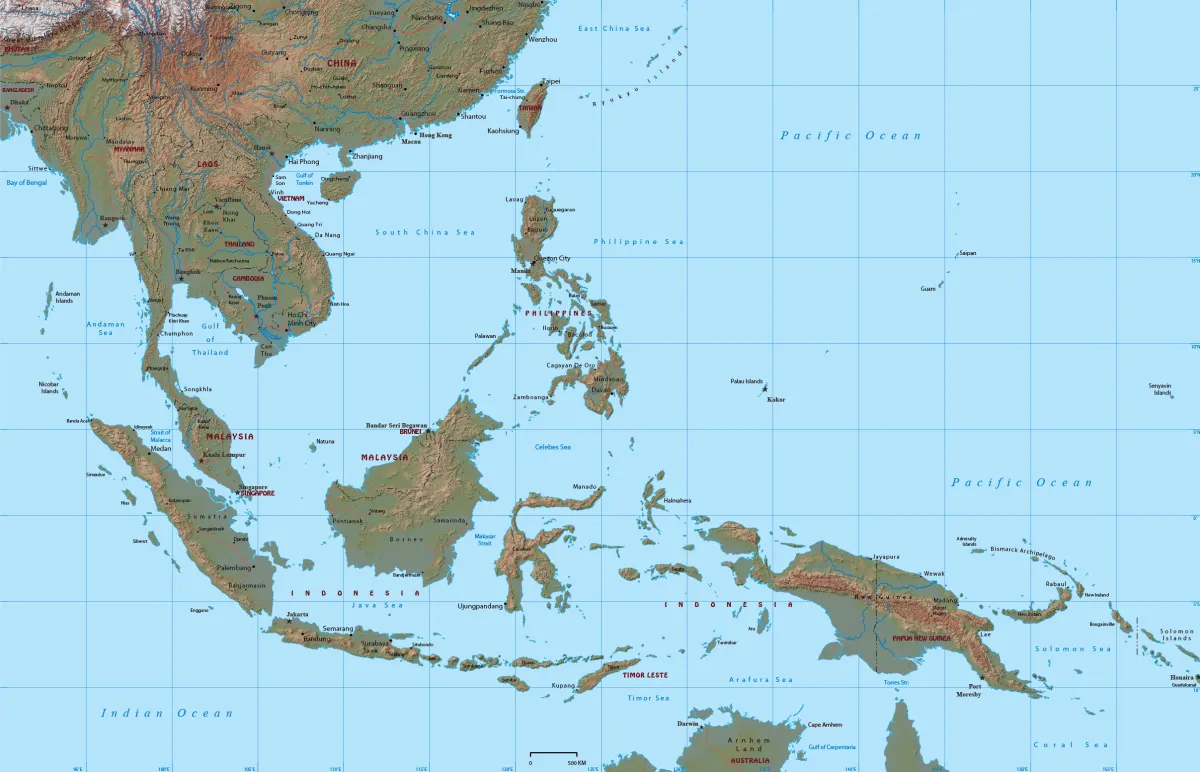 Photo: Southeast Asia, via www.geographicguide.com
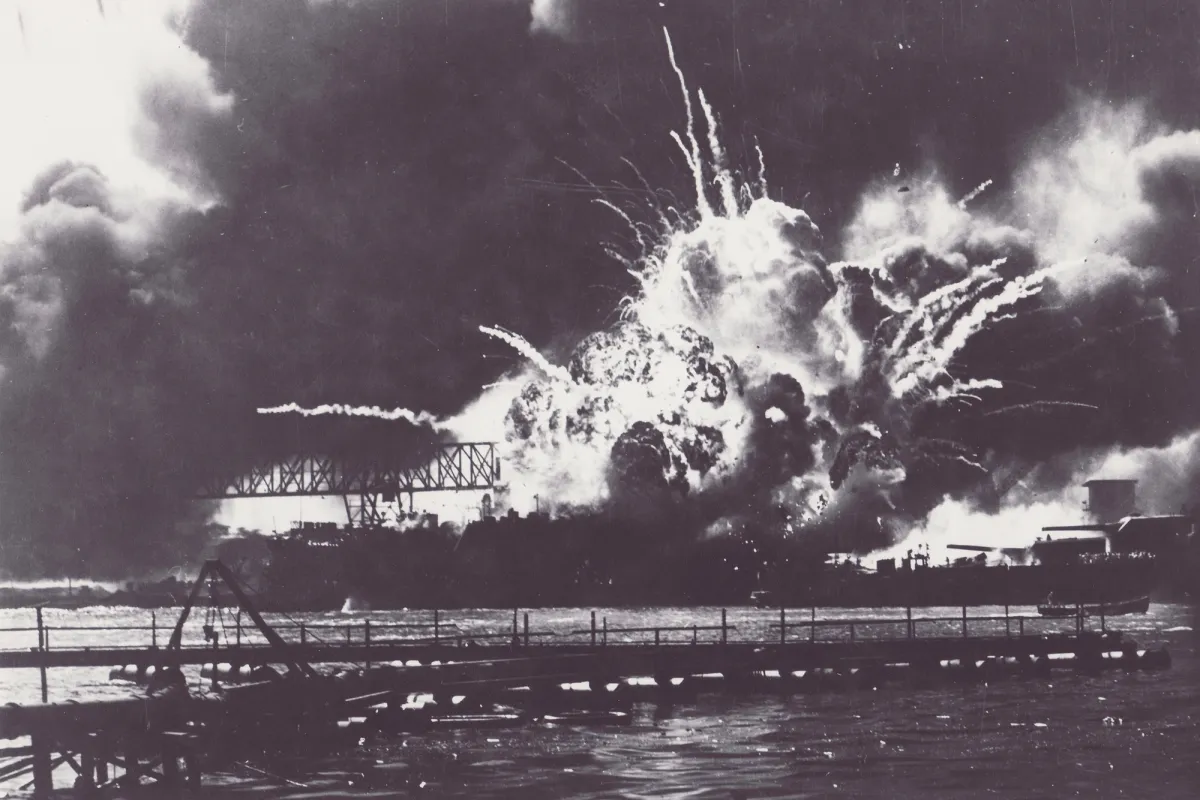 Photo: Pearl Harbor, via i1.wp.com
The solution seemed simple enough—park the cars, ride the bus, walk when you can. Gas rationing followed soon after, not because America lacked oil, but because burning gasoline meant burning through irreplaceable rubber faster. For a nation that had spent the 1930s falling in love with automobile ownership, it was like being told to hold your breath indefinitely.
But here's where the story takes its unexpected turn. The very infrastructure built to help Americans cope without their cars would, within a decade, become the foundation for the greatest automotive cultural phenomenon in history: the American road trip.
Building Roads for a Future Nobody Planned
With civilian driving severely restricted, the federal government faced a logistics nightmare. How do you move essential workers, military personnel, and critical supplies around a country built for cars? The answer was a crash program in alternative transportation that accidentally laid the groundwork for postwar tourism.
Bus routes expanded rapidly, connecting small towns that had never been linked before. The government subsidized motor lodges along these new routes—not for leisure travelers, but for essential workers who needed overnight stops. These weren't the grand hotels of the railroad era, but simple, standardized accommodations designed around the automobile experience: parking outside your room, easy highway access, minimal fuss.
Meanwhile, defense contractors were building new factories in previously isolated areas, often connected by hastily constructed roads designed to handle heavy truck traffic. These weren't the scenic routes of tourism brochures—they were utilitarian highways built to move tanks and bombers. But they were smooth, wide, and engineered for speed in ways that pre-war roads rarely were.
The Unintended Education of a Nation
Perhaps most importantly, rubber rationing taught Americans something they'd never learned before: how to plan a long-distance trip. During the war, any journey beyond your neighborhood required paperwork, route planning, and careful consideration of fuel efficiency. Families learned to study maps, calculate mileage, and think strategically about overnight stops.
This wasn't the spontaneous joy-riding of the 1930s—it was methodical, almost military in its precision. Americans learned to see the country as a series of connected destinations rather than isolated communities. They discovered that with proper planning, you could travel vast distances efficiently and affordably.
The rationing system also democratized long-distance travel in unexpected ways. Before the war, cross-country trips were largely the domain of the wealthy, who could afford both the fuel and the luxury accommodations along the way. But wartime travel was stripped down to its essentials: basic lodging, efficient routes, and careful budgeting. It was a preview of what middle-class tourism could look like.
When the Floodgates Opened
By 1945, America had accidentally built the perfect infrastructure for mass automotive tourism, and nobody realized it yet. The bus routes became scenic highways. The utilitarian motor lodges became the template for motels. The route-planning skills became the foundation for vacation planning. Most importantly, four years of restricted mobility had created a massive pent-up demand for the simple freedom of going wherever you wanted, whenever you wanted.
The first sign came in 1946, when gas rationing ended and tire production resumed. Americans didn't just return to their pre-war driving habits—they exploded past them. Car sales reached record highs, but more telling was the surge in long-distance leisure travel. Families who had spent the war years planning essential trips with military precision suddenly turned that same methodical approach toward vacation planning.
The motor lodge owners who had survived the war catering to defense workers found themselves hosting families from hundreds of miles away, people who had driven all day just for the experience of driving all day. The highways built to move military equipment became scenic routes. The route-planning skills learned under rationing became the foundation for a new kind of American adventure.
The Birth of Going Nowhere in Particular
By the 1950s, the road trip had become something uniquely American: a journey where the destination mattered less than the act of traveling itself. This wasn't the European model of traveling to see specific sights, or the railroad-era approach of moving efficiently between major cities. This was something new—the idea that the highway itself was the destination.
The infrastructure was there: standardized motels, reliable roads, and a network of gas stations and restaurants designed around automotive travelers. The cultural mindset was there too: Americans had learned to see long-distance travel as both manageable and democratic. Most importantly, the symbolic meaning was there—after four years of being told where they could and couldn't go, the open road represented a kind of freedom that felt both personal and patriotic.
The Irony of Restriction Creating Freedom
The most remarkable aspect of this transformation is its fundamental contradiction. Policies designed to limit American mobility ended up creating the infrastructure and cultural attitudes that made Americans the most mobile society in history. Rubber rationing, intended to keep people home, accidentally taught them how to travel efficiently and affordably.
Today, when we talk about the freedom of the open road or the romance of the American highway, we're celebrating the unintended consequences of wartime scarcity. Every roadside motel, every scenic highway marker, every family vacation planned around driving time rather than destinations—they all trace back to a moment when America was forced to reimagine how people move through space.
The next time you see a car loaded with luggage heading toward the interstate, remember: they're not just going on vacation. They're participating in a cultural tradition that was accidentally invented by a rubber shortage, refined by wartime logistics, and perfected by a generation that learned to find freedom in the very infrastructure built to restrict them.