When Department Stores Invented Romance: The Returns Problem That Built America's Wedding Machine
The Problem Nobody Talks About
Every year, millions of American couples dutifully create their wedding registries, carefully curating lists of china patterns, kitchen appliances, and home décor. It feels timeless, romantic, essential. But the bridal registry isn't some ancient tradition passed down through generations—it's barely a century old, born from a department store's very unromantic inventory headache.
In the early 1920s, Chicago's Marshall Field's department store faced a crisis that had nothing to do with love and everything to do with logistics. Wedding gifts were flooding back into their returns department at an alarming rate. Duplicate toasters, unwanted vases, wrong-sized linens—newly married couples were returning so many gifts that the store's return policy was becoming a financial nightmare.
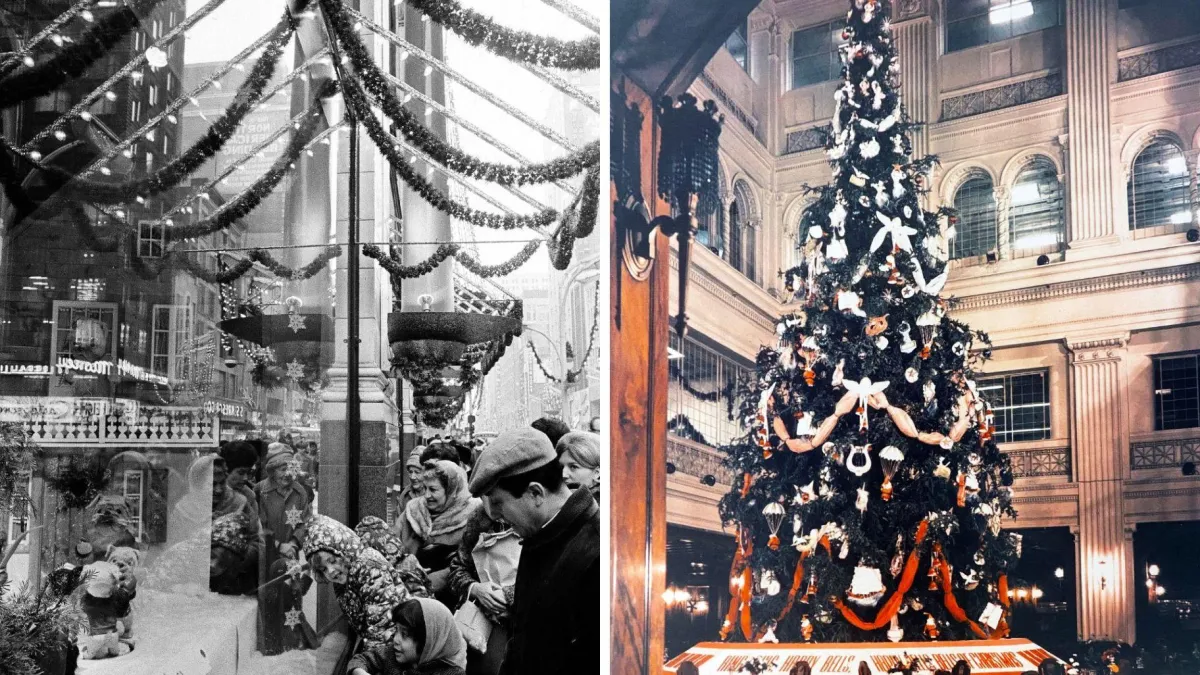 Photo: Marshall Field's, via news.wttw.com
When Returns Became Romance
The solution came from an unlikely source: a Marshall Field's employee who suggested that instead of dealing with returns after the fact, why not prevent duplicate gifts before they happened? The concept was radical in its simplicity—let engaged couples tell people exactly what they wanted, and the store would keep track of what had already been purchased.
In 1924, Marshall Field's quietly launched what they called a "Bridal Registry." Couples could visit the store, select items they actually wanted, and the store would maintain a list to prevent duplicates. It wasn't marketed as romantic tradition—it was pure business efficiency.
The Accidental Cultural Revolution
What Marshall Field's didn't anticipate was how this simple inventory solution would fundamentally reshape American attitudes toward marriage, gifts, and consumer identity. Within a decade, the registry had evolved from a practical service into something that felt essential to the wedding experience.
The timing was perfect. The 1920s and 1930s saw the rise of modern consumer culture, with department stores becoming temples of middle-class aspiration. Young couples weren't just registering for household necessities—they were curating their future identities as married adults. The registry became a way to signal social status, aesthetic preferences, and lifestyle ambitions.
From Service to Institution
By the 1940s, competing department stores had adopted their own registry systems, each trying to capture the lucrative wedding market. What started as a returns prevention measure had become a customer acquisition strategy. Stores realized that couples who registered would often become lifelong customers, returning for anniversaries, baby showers, and holiday shopping.
The post-World War II suburban boom supercharged the registry concept. Young couples moving into new homes needed everything—furniture, appliances, dinnerware, linens. The registry transformed from a convenience into a necessity for furnishing an entire household.
The Psychology of the List
The registry also fundamentally changed how Americans think about gift-giving and receiving. Before the 1920s, wedding gifts were often personal, handmade, or chosen by the giver based on their relationship with the couple. The registry flipped this dynamic, making the couple the curators of their own gift collection.
This shift reflected broader changes in American society—the move toward standardization, consumer choice, and the idea that individuals should have control over their material environment. The registry wasn't just about getting the right gifts; it was about asserting personal agency in an increasingly complex consumer marketplace.
The Modern Wedding-Industrial Complex
Today, the bridal registry industry generates over $19 billion annually in the United States. What began as Marshall Field's inventory solution has evolved into a sophisticated ecosystem of online platforms, luxury retailers, and specialty services. Couples can register for everything from traditional china to honeymoon experiences to charitable donations.
The registry has also expanded beyond weddings. Baby registries, housewarming registries, even divorce registries now exist, all following the template established by that original 1924 experiment in Chicago.
The Hidden Legacy
Perhaps the most remarkable aspect of the bridal registry's origin story is how completely it has been forgotten. Ask most Americans about wedding registries, and they'll describe them as traditional, natural, maybe even ancient. Few realize they're participating in a ritual that began as a department store's solution to a returns problem.
This transformation reveals something profound about how consumer practices become cultural traditions. Within just a few generations, a business innovation designed to reduce inventory hassles became so embedded in American wedding culture that questioning it seems almost unthinkable.
The next time you attend a wedding shower or browse a couple's registry online, remember that you're witnessing the lasting legacy of a 1920s department store manager who just wanted to stop processing so many returns. Sometimes the most powerful traditions aren't ancient wisdom passed down through generations—they're yesterday's business solutions that accidentally captured something deeper about how we want to live.