The Factory Scraps That Outran Every Fitness Fad in America

When Children Became Quality Control
In the bustling rope factories of colonial America, children weren't just hanging around—they were working. But their job wasn't what you'd expect. While adults twisted hemp and manila into sturdy cordage, kids were tasked with the most important quality check: jumping.
Rope makers discovered that if a child could jump with a length of rope for several minutes without it snapping, fraying, or losing its spring, the entire batch met their standards. What seemed like child's play was actually sophisticated stress testing. The constant flexing, the rapid changes in tension, the repeated impact—it revealed weaknesses that static tests missed entirely.
These factory children unknowingly created the first fitness routine that would outlast every exercise trend America would ever invent.
The Doctor's Prescription That Changed Everything
By the 1880s, Victorian physicians had noticed something peculiar about those former rope factory children. They seemed to have remarkably strong hearts and clear lungs compared to their peers. Dr. Dudley Sargent at Harvard began prescribing "rope skipping" to patients suffering from what they called "weak chest"—essentially anyone with poor cardiovascular health.
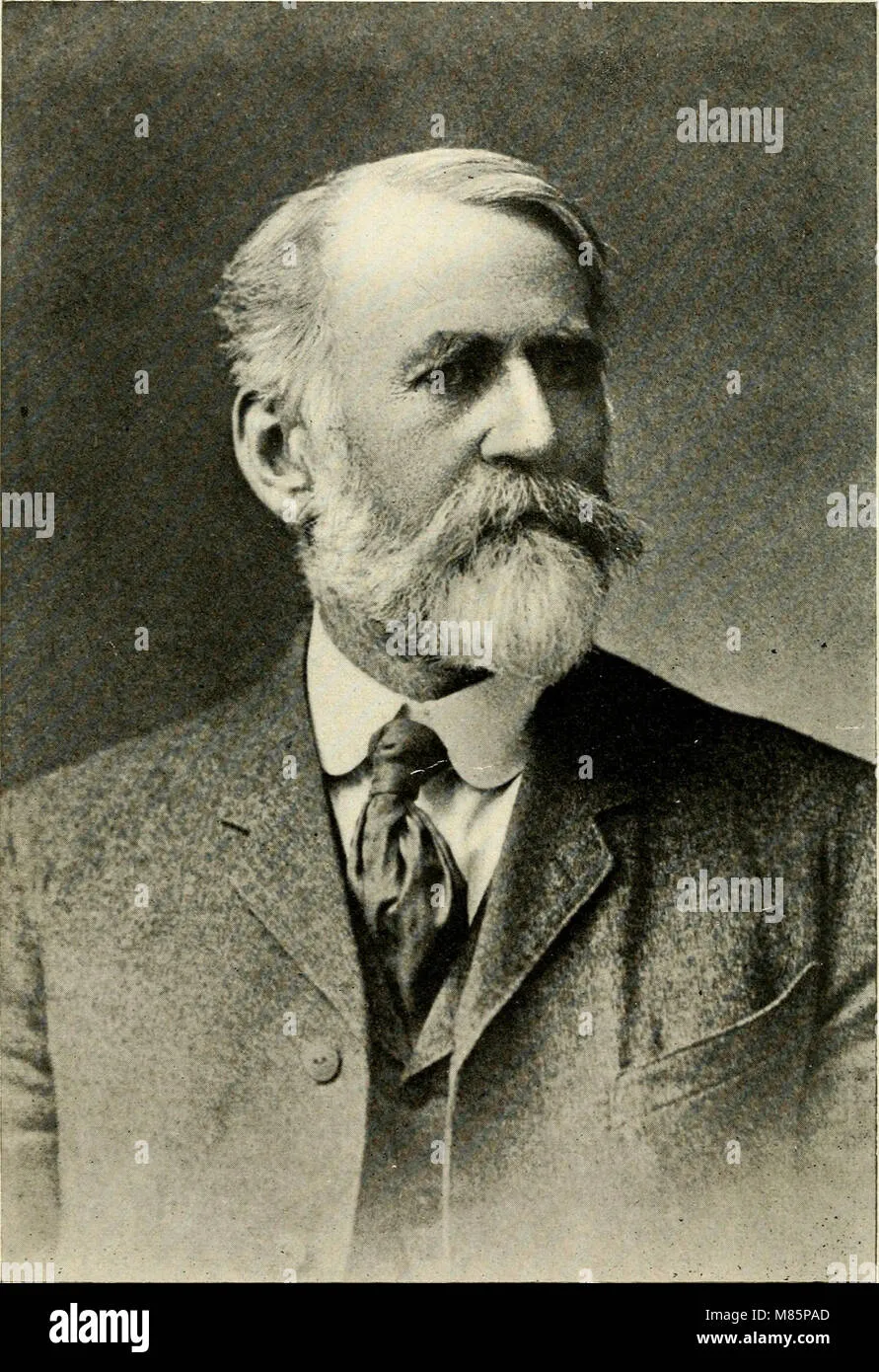 Photo: Dr. Dudley Sargent, via c8.alamy.com
Sargent's medical endorsement transformed rope jumping from industrial necessity to prescribed medicine. Suddenly, proper Victorian ladies were discreetly jumping rope in their parlors, following doctor's orders for exactly fifteen minutes each morning to "strengthen the vital organs."
The transformation was remarkable. What had been dismissed as factory floor child labor was now being taught in the finest finishing schools across New England.
From Medicine Cabinet to Boxing Ring
The real breakthrough came in the early 1900s when prizefighters discovered that rope jumping built the kind of stamina that won matches. Boxers needed quick feet, perfect timing, and endless endurance—rope jumping delivered all three.
Jack Dempsey made rope skipping famous when he credited his 1919 heavyweight championship to his daily rope routine. Suddenly, every gym in America had fighters jumping rope, and every kid wanted to train like their boxing heroes.
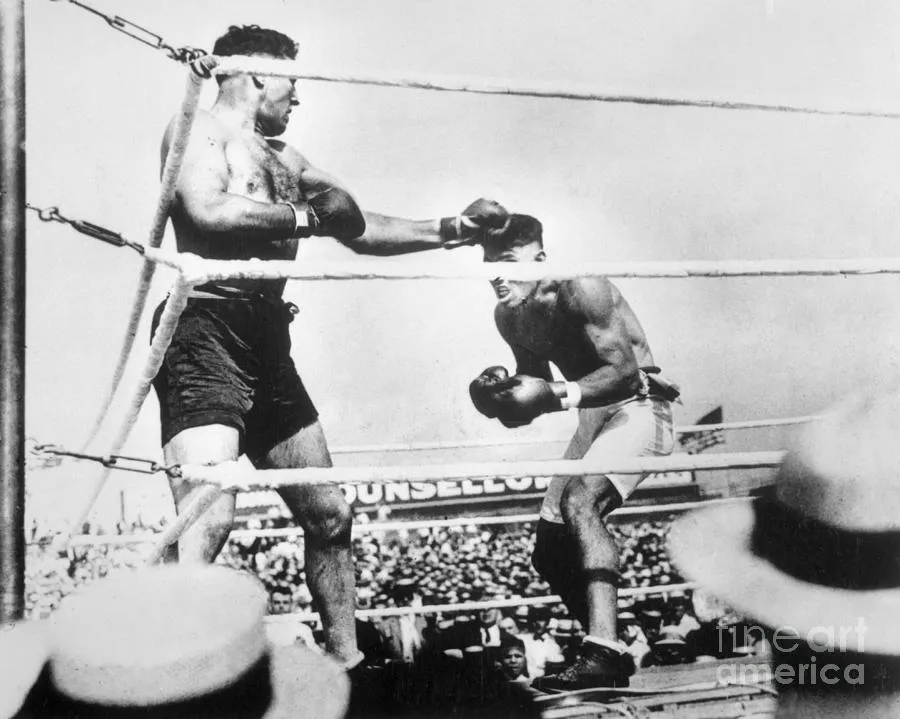 Photo: Jack Dempsey, via jesuitroundup.org
But here's the twist: those boxers weren't using expensive equipment. They were using the same basic rope design that factory children had tested decades earlier. No fancy handles, no special materials—just rope.
The Playground Revolution
By the 1920s, American schools were facing a crisis. Urban children were getting less physical activity than ever before, and educators were scrambling for solutions that didn't require expensive equipment or large spaces.
Rope jumping was perfect. One rope could exercise an entire classroom of students. It required no special facilities, no maintenance, and cost almost nothing. Physical education teachers across the country adopted rope jumping as their go-to exercise.
What those educators didn't realize was that they were democratizing fitness in a way that no other tool could match. Rich kids and poor kids were doing the exact same exercise with the exact same equipment.
The Fitness Industry's Nightmare
Here's what makes the jump rope story so remarkable: it has survived every fitness revolution America has ever experienced. While exercise bikes gathered dust, while ThighMasters became garage sale fodder, while countless workout videos became outdated, the jump rope kept going.
The fitness industry has tried repeatedly to "improve" the jump rope—adding digital counters, weighted handles, adjustable lengths, special materials. But the basic rope that those colonial children tested in factory yards remains virtually unchanged and just as effective.
The Olympic Validation
The ultimate validation came in the 1960s when Olympic trainers across multiple sports began incorporating rope jumping into their programs. Swimmers used it for timing, runners for agility, cyclists for coordination. The simple rope that had started as industrial quality control was now training the world's elite athletes.
Today, virtually every professional athlete in America trains with a jump rope at some point. It's in every gym, every boxing club, every school, and millions of American homes.
The Accidental Democracy of Fitness
The jump rope accidentally solved a problem that the modern fitness industry still struggles with: making effective exercise accessible to everyone. While gym memberships cost hundreds of dollars and home equipment requires space and money, a jump rope costs less than a lunch and fits in a drawer.
Those colonial rope makers who sent their children to test cordage never intended to create America's most democratic fitness tool. They were just trying to make sure their ropes wouldn't break. But in solving that simple quality control problem, they accidentally invented the one piece of exercise equipment that would outlast every fitness fad America would ever embrace.
The next time you see someone jumping rope, remember: they're using the same basic technology that factory children used 300 years ago to test rope strength. And it's still working perfectly.