How America's Tin Can Crisis Accidentally Built the Frozen Food Empire
The Day America Ran Out of Cans
On December 7, 1941, Pearl Harbor didn't just drag America into World War II—it fundamentally changed what Americans could eat for dinner. Within weeks of the attack, the War Production Board issued a devastating directive to food companies across the nation: nearly all tin and steel would be redirected to build ships, tanks, and ammunition.
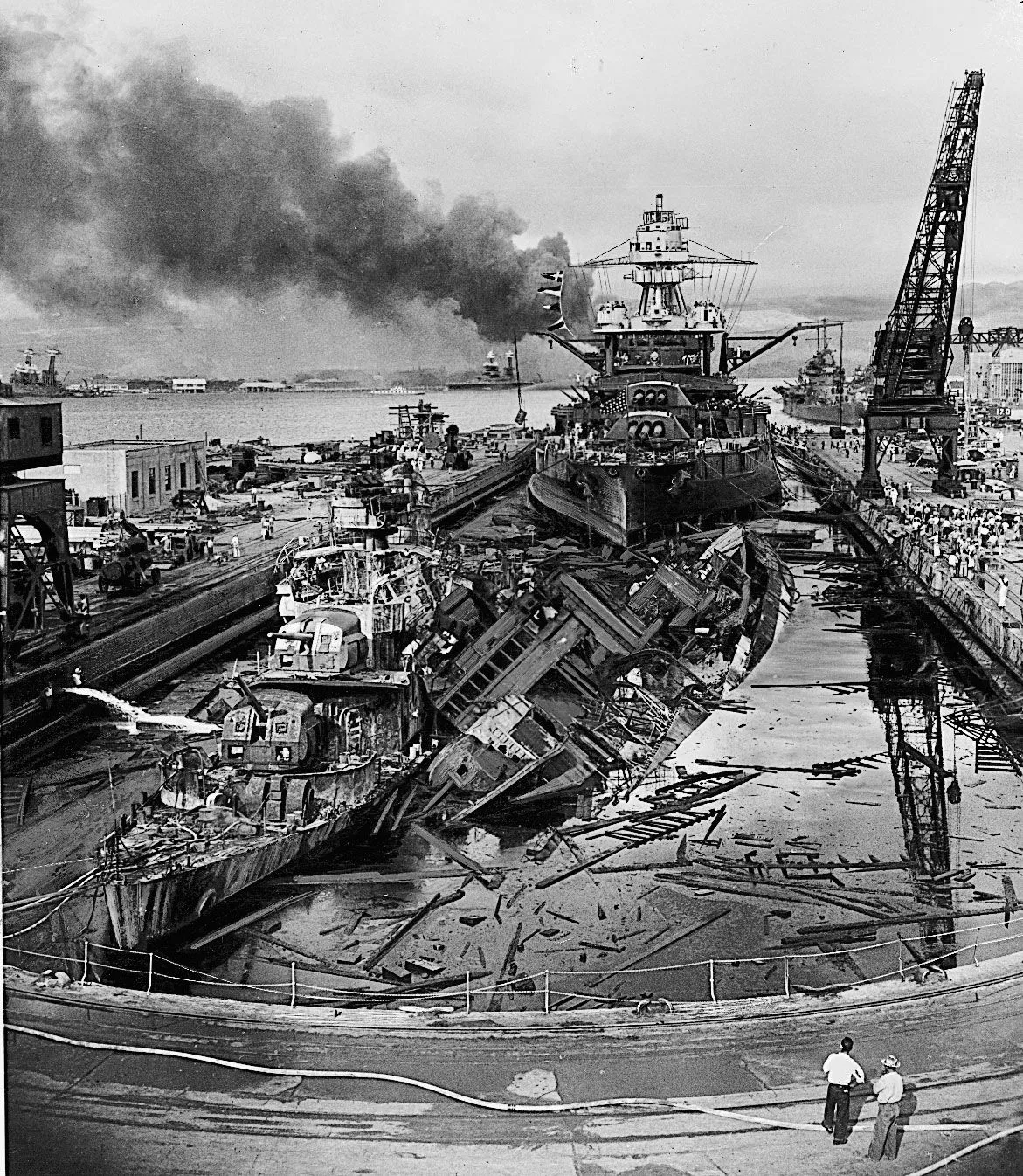 Photo: Pearl Harbor, via cdn.britannica.com
Suddenly, the American food industry faced an existential crisis. For decades, canned goods had been the backbone of food preservation. Campbell's Soup, Del Monte fruits, Hormel meat—entire companies built their empires on the humble tin can. Now, with metal supplies cut by 75%, executives found themselves staring at empty production lines and impossible questions.
How do you preserve food without metal? How do you feed a nation when your primary preservation technology just vanished overnight?
The Forgotten Freezing Pioneer
Fortunately for hungry Americans, a former fur trader named Clarence Birdseye had been quietly working on this exact problem for twenty years. During a hunting trip to Labrador in 1912, Birdseye had watched Inuit fishermen pull arctic char through holes in the ice. The fish froze instantly in the -40°F air, and when thawed months later, tasted as fresh as the day they were caught.
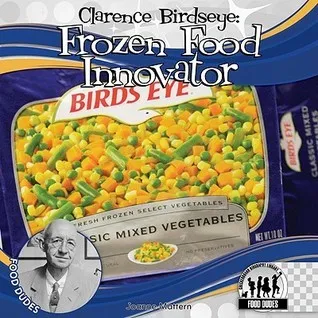 Photo: Clarence Birdseye, via images-na.ssl-images-amazon.com
Intrigued, Birdseye spent years perfecting a flash-freezing technique that could replicate those arctic conditions in an industrial setting. His method involved pressing food between metal plates chilled to -25°F, freezing products in minutes rather than hours. The rapid freezing prevented large ice crystals from forming, preserving both texture and flavor.
By 1930, Birdseye had patents, equipment, and a small company selling frozen vegetables to restaurants. There was just one problem: American consumers absolutely hated frozen food.
Why Americans Rejected the Frozen Revolution
Pre-war frozen food was a disaster. Most products were slow-frozen, creating ice crystals that turned vegetables into mush and made meat taste like cardboard. Worse, the freezing process often took place in unsanitary conditions, leading to frequent food poisoning outbreaks.
American housewives, who prided themselves on serving fresh, home-cooked meals, viewed frozen food as a last resort for desperate families. Magazine articles warned against "artificial" preservation methods. Grocery stores relegated frozen sections to back corners, treating them like embarrassing necessities rather than desirable products.
Birdseye's superior flash-freezing technique could have changed these perceptions, but few Americans owned home freezers. In 1940, less than 10% of American households had adequate freezer space. Even if the food was perfect, there was nowhere to store it.
When Desperation Met Opportunity
The wartime tin shortage changed everything overnight. Food companies that had dismissed frozen preservation as inferior suddenly found themselves begging Birdseye to license his technology. Birds Eye, Libby's, and dozens of other manufacturers scrambled to convert canning facilities into freezing operations.
Simultaneously, the war economy was putting unprecedented amounts of money into American pockets. Factory workers pulling double shifts for military production had cash to spend but little time to cook. Frozen meals offered a solution: quality food that required minimal preparation.
The government inadvertently accelerated adoption by rationing fresh produce for military use. Suddenly, frozen vegetables weren't a poor substitute for fresh—they were often the only option available. American housewives who had previously scorned frozen food found themselves serving it regularly, gradually discovering that Birdseye's flash-frozen products actually tasted good.
The Suburban Freezer Explosion
The real transformation came after the war, when returning GIs used government housing loans to buy homes in newly built suburbs. These houses came equipped with modern kitchens featuring large refrigerator-freezer combinations—technology that had been luxury items before the war.
Suddenly, millions of American families had the storage capacity to buy frozen food in bulk. Grocery stores responded by expanding frozen sections and introducing innovations like TV dinners, frozen pizza, and ice cream varieties that would have been impossible with traditional preservation methods.
By 1950, frozen food sales had increased 2,000% from pre-war levels. Companies that had reluctantly adopted freezing technology during the tin shortage discovered they'd accidentally stumbled into the future of American eating.
How Crisis Created a Revolution
The wartime metal shortage didn't just save frozen food—it completely transformed American food culture. Before the war, most families ate seasonally, preserving summer vegetables in cans and eating root vegetables through winter. After the war, American families expected year-round access to any food they wanted.
This shift required a complete reimagining of food distribution. Frozen food needed refrigerated trucks, specialized warehouses, and grocery stores with massive freezer sections. The infrastructure built to handle wartime food shortages became the foundation for modern supermarket chains like Safeway and A&P.
Today, the average American consumes over 70 pounds of frozen food annually. The frozen food industry generates more than $60 billion in yearly sales, employing hundreds of thousands of workers in facilities that trace their origins directly to those desperate wartime conversions.
The Accidental Revolution
America's frozen food empire exists because tin cans temporarily disappeared. Without that wartime shortage, Birdseye's flash-freezing technology might have remained a niche industrial process, and Americans might still be eating seasonally preserved foods.
Instead, a military supply crisis accidentally created one of the most fundamental changes in how Americans eat. Every frozen pizza, every bag of frozen vegetables, every pint of ice cream in your freezer represents the legacy of that moment when desperate food companies discovered that sometimes the best solutions come from having no other choice.