How America's Death Industry Accidentally Invented the Suburban Dream
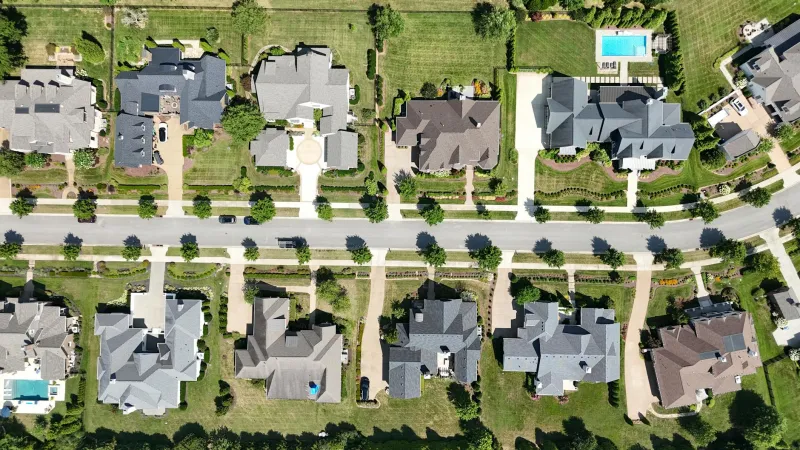
The Graveyard Inspiration Nobody Talks About
Every Saturday morning across America, millions of homeowners perform the same ritual: they mow, edge, water, and fertilize their front lawns with religious devotion. What they don't realize is that they're maintaining a landscape design originally intended for the dead.
The American obsession with perfect grass lawns didn't emerge from agricultural traditions or European garden influences. It came directly from 19th-century cemetery designers who revolutionized how Americans thought about death—and accidentally created the visual blueprint for suburban living.
When Graveyards Became Gardens
Before the 1830s, American burial grounds were grim affairs. Urban cemeteries were overcrowded, unsanitary, and frankly terrifying places that most people avoided unless absolutely necessary. The dead were packed into small city plots with minimal landscaping and maximum efficiency.
Then came the rural cemetery movement, led by visionaries like Dr. Jacob Bigelow in Boston. Bigelow proposed something radical: cemeteries should be beautiful, park-like spaces that the living would actually want to visit. His Mount Auburn Cemetery, opened in 1831, featured rolling hills, curved pathways, and most importantly, vast expanses of carefully maintained grass.
 Photo: Dr. Jacob Bigelow, via hurrdatsports.com
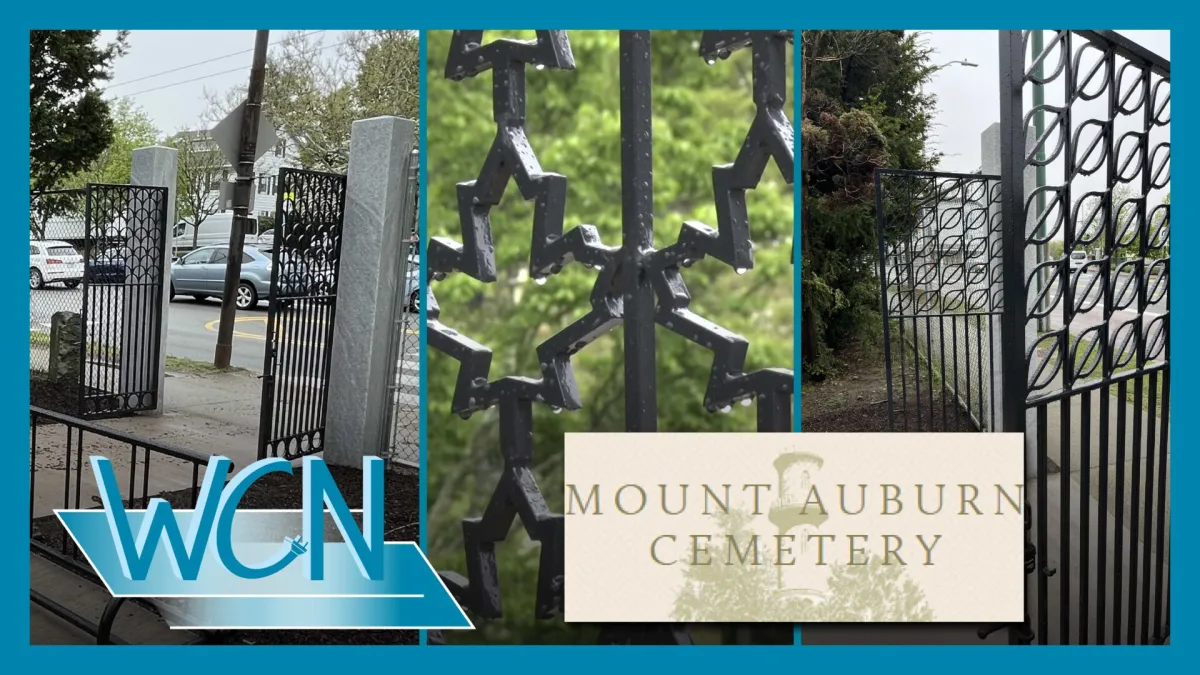 Photo: Mount Auburn Cemetery, via wcatv.org
The effect was immediate and profound. Families began making Sunday outings to Mount Auburn, not just to visit graves, but to enjoy the landscape. The cemetery had accidentally become Boston's most popular recreational destination.
The Landscape Architect's Master Plan
Frederick Law Olmsted, who would later design Central Park, spent considerable time studying these new memorial parks. He noticed something fascinating: visitors consistently commented on how "peaceful" and "civilized" the grass lawns made these spaces feel.
Olmsted realized that the emotional response to well-maintained grass was incredibly powerful. The uniform green carpet created a sense of order, prosperity, and social harmony that Americans found deeply appealing. He began incorporating these same design principles into his residential neighborhood projects.
But Olmsted went further. He started promoting the idea that homes should be surrounded by the same type of landscape that made cemeteries so attractive. The message was subtle but clear: if you want your neighborhood to feel as refined and respectable as Mount Auburn Cemetery, every house needs a perfect lawn.
The Guilt Campaign That Built America
Cemetery designers and early suburban developers quickly discovered they could use social pressure to sell their vision. They began promoting the idea that a well-maintained lawn was a moral obligation—a sign that homeowners cared about their community and respected their neighbors.
The marketing was brilliant and manipulative. Advertisements suggested that families who didn't maintain perfect lawns were essentially disrespecting the memory of loved ones buried in beautiful memorial parks. How could you let your home's landscape fall below the standards you'd accept for a cemetery?
This guilt-driven messaging worked. By the 1870s, maintaining a perfect front lawn had become a social requirement in American suburbs, enforced not by law but by neighborhood pressure.
The Seed Industry's Perfect Storm
The timing couldn't have been better for American agriculture. The cemetery-inspired lawn movement coincided with major advances in grass seed cultivation and lawn care technology. Suddenly, there was massive demand for products that had barely existed before.
Companies like Scotts began marketing grass seed specifically for residential lawns, using the same varieties that made memorial parks so attractive. The American lawn industry was born from death industry innovations.
By the 1920s, maintaining a lawn had become so central to American homeownership that real estate values were directly tied to grass quality. A perfect lawn could increase property values; a neglected one could tank them.
The Federal Government Gets Involved
The suburban lawn movement received unexpected government support during the New Deal. Federal housing programs actively promoted single-family homes with front lawns as the ideal American living situation. The government was essentially subsidizing a landscape design that originated in cemeteries.
After World War II, returning veterans could use GI Bill benefits to buy homes in developments where perfect lawns weren't just encouraged—they were mandatory. Homeowners' associations began enforcing lawn standards with the same rigor that cemetery boards used to maintain memorial parks.
The Modern Lawn Industrial Complex
Today, Americans spend over $60 billion annually maintaining their lawns. They use more water on grass than on any other single purpose except drinking. They apply more pesticides to their yards than farmers use on food crops.
All of this stems from a landscape design philosophy developed to make graveyards more appealing to grieving families.
The irony is profound: the American dream of suburban homeownership is visually defined by a design aesthetic created for the dead. Every perfectly maintained subdivision in America is essentially a residential cemetery without the headstones.
The Hidden Legacy
The next time you're driving through an American suburb, notice how similar it looks to a modern memorial park. The curved streets, the mature trees, the endless expanses of maintained grass—it's the same design language that Frederick Law Olmsted borrowed from cemetery planners 150 years ago.
American homeowners aren't just maintaining their property values when they mow their lawns every weekend. They're participating in a cultural tradition that began with families wanting beautiful places to visit their deceased loved ones.
The perfectly manicured American front lawn remains one of the most successful marketing campaigns in history—a product of the death industry that convinced an entire nation to adopt cemetery aesthetics as the definition of respectable living.
Every Saturday morning, as millions of Americans fire up their lawn mowers, they're unknowingly honoring a landscape tradition that began in graveyards. The American suburban dream, it turns out, was designed by people who specialized in making death look beautiful.