The Humble Side Dish That Quietly Conquered America's Plate
The Humble Side Dish That Quietly Conquered America's Plate
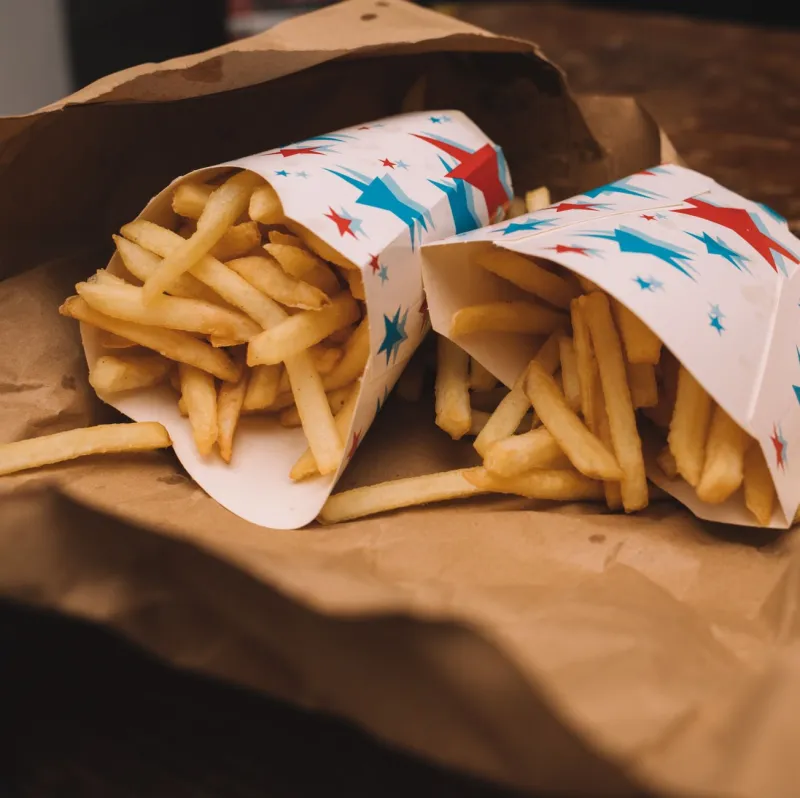
You've eaten them at least a hundred times. Probably more. Salted, dipped, shared, stolen off someone else's tray. French fries are so woven into American eating that it's almost impossible to imagine a meal without them. But here's the thing nobody thinks about while reaching for that paper sleeve: the french fry spent nearly a century being ignored, dismissed, and written off in the United States before a frozen food revolution and a pair of golden arches turned it into the country's most eaten vegetable.
Yes, vegetable. The USDA counts it. That alone should tell you something about how far this humble strip of potato has traveled.
A Belgian Street Food With an Identity Crisis
Despite the name, french fries didn't come from France. The most credible origin story traces them to Belgium, where vendors along the Meuse River were frying thin-cut potatoes in oil as far back as the late 1600s. The story goes that villagers who normally fried small fish from the river switched to potato strips during winter freezes when the water was too cold to fish. Cheap, filling, and cooked in open air over wood fires — it was street food in the purest sense.
The "French" part of the name is a linguistic accident. American soldiers stationed in Belgium during World War I tasted the fries and, hearing French spoken around them, assumed that's where the food came from. The name stuck even though it was wrong.
Thomas Jefferson encountered something closer to the real thing during his time as American minister to France in the 1780s. He came home impressed enough to serve "potatoes fried in the French manner" at Monticello dinner parties and later at White House gatherings. But Jefferson's enthusiasm didn't trickle down. In early 19th-century America, the potato itself was still viewed with suspicion in many regions — associated with poverty, peasant farming, and Irish immigration. Serving thin-cut fried potatoes at a formal dinner was a novelty, not a movement.
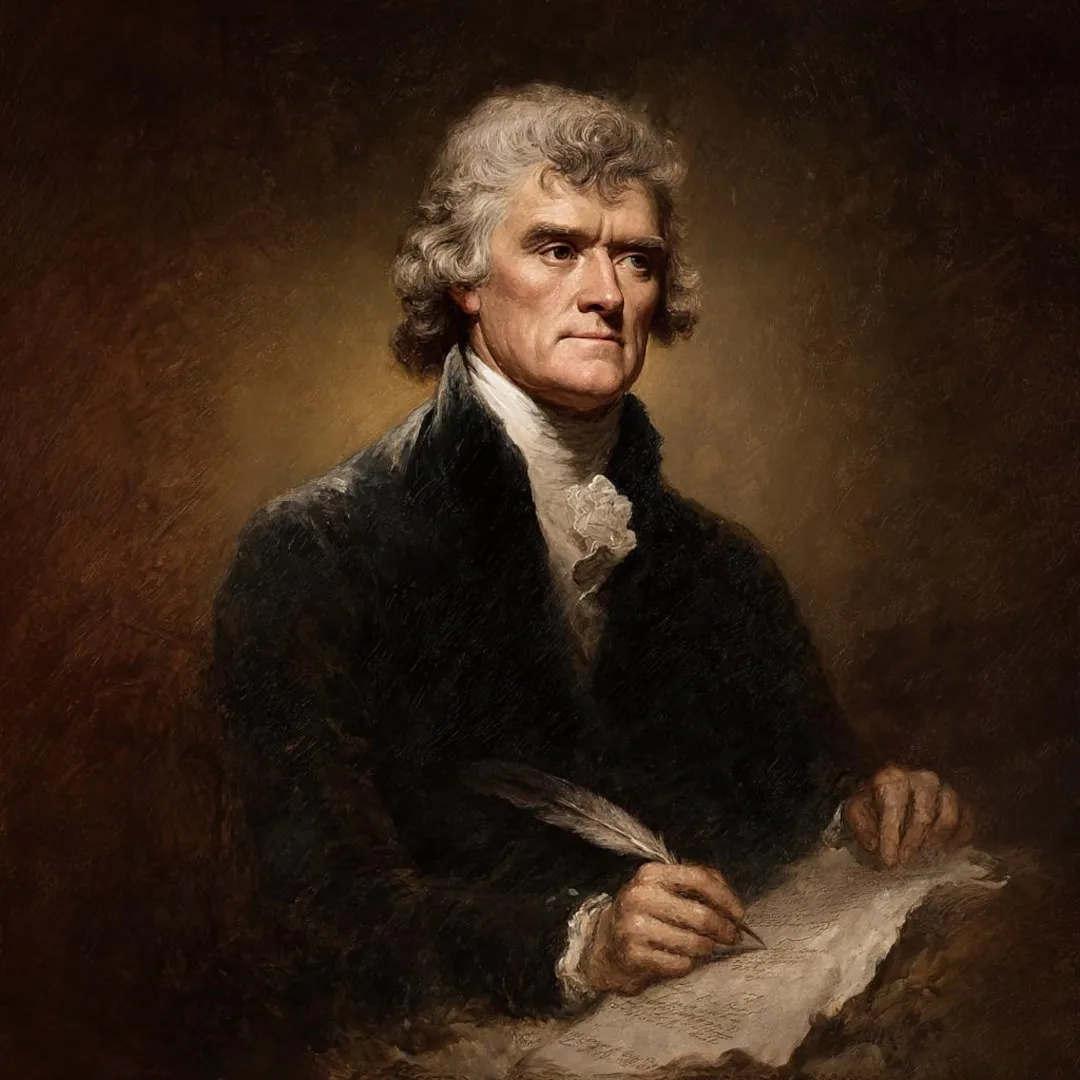 Photo: Thomas Jefferson, via i.etsystatic.com
For decades, the fry stayed on the margins. It showed up at fairs and roadside stands. It appeared occasionally in urban diners. But it never became the default, automatic, expected companion to a sandwich that it is today. That transformation required something no chef or food writer could provide.
The Freezer Changed Everything
In the late 1940s and early 1950s, the American frozen food industry was growing fast. Clarence Birdseye had already demonstrated that flash-freezing preserved food without destroying texture, and companies were racing to figure out which foods translated well to the freezer case. Potatoes were a problem. Freeze a raw potato and you get a watery, mushy disappointment when it thaws. The starch breaks down. The texture collapses. For years, the frozen french fry seemed like a dead end.
Then, in 1953, an Idaho potato farmer named Nephi Grigg and his brother Golden figured out a process to partially cook potato strips before freezing them — blanching, drying, and then flash-freezing in a way that held the structure together. The result was a frozen fry that could be dropped into a commercial fryer and come out crisp and consistent every single time. It wasn't a glamorous discovery. It wasn't front-page news. But it solved a very specific industrial problem, and the fast food industry was about to need that solution badly.
McDonald's was expanding. By the mid-1950s, Ray Kroc was building a franchise model that depended on one thing above all else: every location producing identical food. The fry was already on the McDonald's menu, but making it consistent across hundreds of locations was a nightmare. Each restaurant relied on local potatoes, local prep, and local fryer management. The results varied wildly.
When McDonald's began sourcing pre-cut, partially frozen fries and standardizing its frying process — eventually locking in specific oil blends, fry times, and potato varieties — the side dish became something it had never been before: engineered. Reliable. Scalable. The same fry in Ohio as in California. The same fry in 1960 as in 1975.
Highways, Drive-Ins, and the Architecture of Appetite
The timing was not accidental. The Federal Aid Highway Act of 1956 funded the interstate highway system, and American families took to the road in numbers nobody had fully anticipated. Drive-in restaurants and roadside chains multiplied along every new corridor. Families needed fast, cheap, handheld food they could eat in a car or at a picnic table. The burger-and-fries combination was perfectly engineered for that moment — portable, satisfying, and cheap enough that stopping for lunch didn't feel like a budget decision.
As McDonald's grew, so did the demand for potatoes. American agriculture shifted to accommodate it. Idaho and the Pacific Northwest became the center of an industrial potato economy built almost entirely around the Russet Burbank variety — a potato with the specific starch content and size that produced the best commercial fry. Farmers who had grown diverse crops began converting fields. Processing plants opened. A single menu item reshaped the agricultural map of entire states.
By the 1970s, the frozen fry had become the default. By the 1990s, Americans were eating roughly 30 pounds of frozen french fries per person per year. Today, the US produces around 100 billion pounds of potatoes annually, and the majority of that crop ends up as fries.
The Side Dish That Became the Main Event
What's remarkable about the french fry's story isn't just the scale of its rise — it's how quietly it happened. There was no french fry movement. No celebrity chef championing it. No cultural moment where America decided this was the food it wanted. Instead, a Belgian winter necessity crossed an ocean, got misnamed by soldiers, got ignored by food culture for a century, and then got rescued by a freezer patent and a franchise operation that needed consistency more than creativity.
The fry didn't conquer America through flavor alone. It conquered America by being everywhere, all at once, at the exact moment the country built the roads to make everywhere accessible.
Next time you're pulling one from the bag, that's the story in your hand.