The Jungle Sap, the Failed Rubber, and the Soldier's Ration That Made Gum American
The Jungle Sap, the Failed Rubber, and the Soldier's Ration That Made Gum American
Picture a kid blowing a bubble the size of their face, or a ballplayer working a wad of gum before stepping up to the plate, or that specific sound — the crack of a fresh piece being unwrapped. Chewing gum is so embedded in American culture that it barely registers anymore. It's background noise. A vending machine reflex. A nervous habit.
But none of that cultural familiarity was inevitable. Gum's path to American icon status ran directly through a jungle in Central America, a failed industrial experiment in a Staten Island workshop, and the mess kits of soldiers fighting in the Pacific theater during World War II. The story of how gum went from obscure novelty to billion-dollar staple is genuinely one of the stranger origin stories in American consumer history.
A General With a Plan and a Bag of Tree Sap
The story starts, unexpectedly, with Antonio López de Santa Anna — yes, that Santa Anna, the Mexican general best remembered in the United States for the Battle of the Alamo. By the 1860s, Santa Anna was in exile in New York, short on money and looking for a way to fund a political comeback in Mexico. He had an idea.
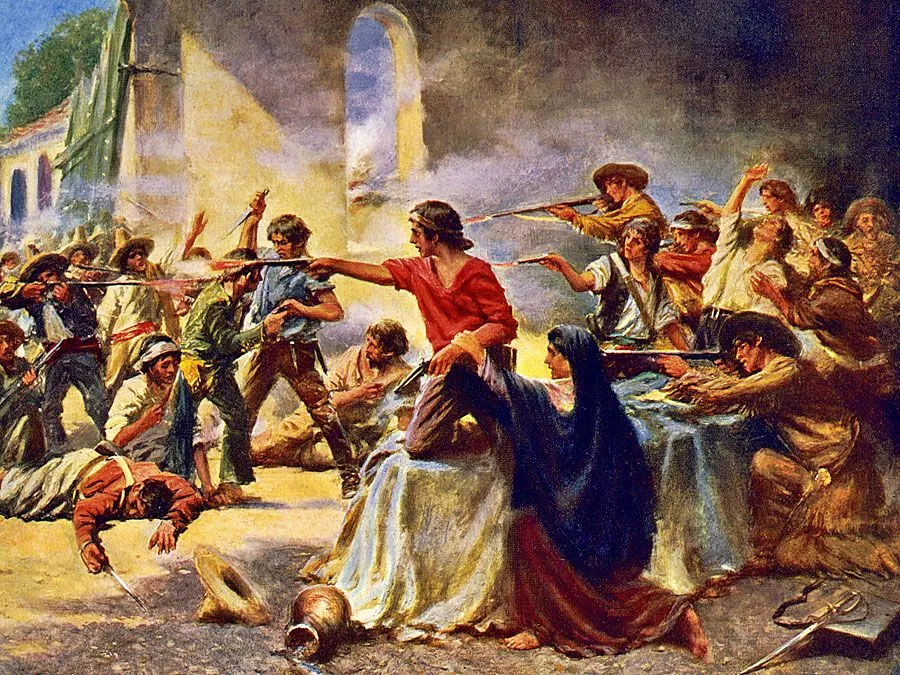 Photo: Battle of the Alamo, via cdn.britannica.com
Back home in Mexico and throughout Central America, workers had long harvested a natural latex called chicle from the sapodilla tree. You'd slash the bark, collect the white sap that oozed out, and boil it down into a rubbery, pliable substance. Indigenous populations in the region had been chewing it for centuries — it was a habit, a hunger suppressant, a way to keep the mouth busy during long work hours. But Santa Anna saw something more commercial in it. Natural rubber was in high demand in the industrializing world, and chicle looked, on the surface, like it might work as a cheaper alternative.
In 1869, Santa Anna brought a large supply of chicle to New York and connected with an inventor named Thomas Adams. Adams was a photographer and part-time tinkerer who agreed to experiment with the material. The idea was to vulcanize it, the same process that turned natural rubber into usable industrial material. Adams spent months trying. He attempted to make boots from it, toys, masks, waterproof materials. Nothing worked. Chicle was too soft, too sticky, too inconsistent. As a rubber substitute, it was a complete failure.
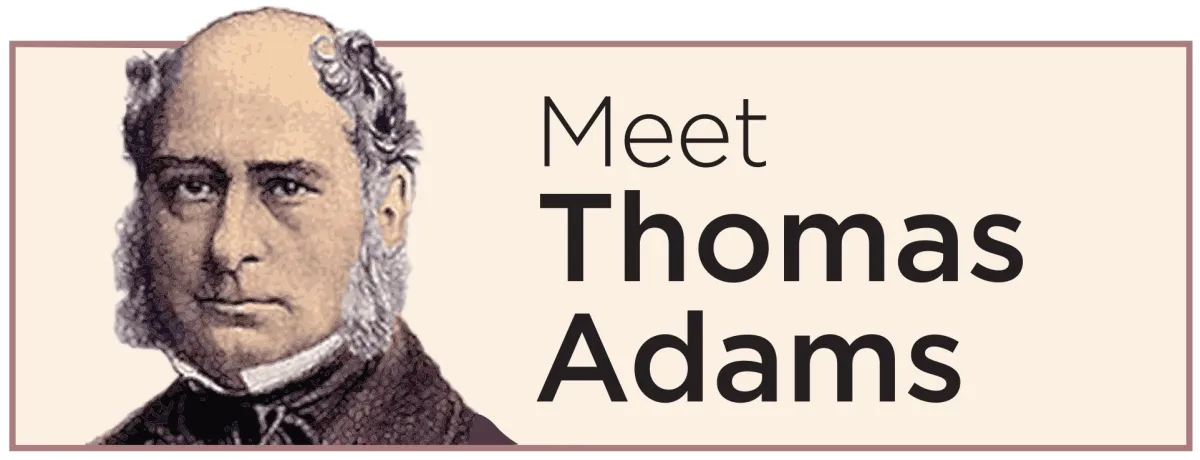 Photo: Thomas Adams, via images.squarespace-cdn.com
Santa Anna eventually gave up and left the country. Adams was left with a warehouse full of useless jungle sap and no plan.
The Accident Nobody Wrote Down
The exact moment of Adams's pivot is lost to history — nobody recorded it in detail — but the story passed down is that he noticed Mexican workers chewing small pieces of chicle raw, the same way it had been used for centuries back in Mexico. He popped a piece in his own mouth. It was soft, slightly sweet from the tree's natural sugars, and oddly satisfying to chew.
He didn't try to sell it as food. He sold it as gum.
In 1871, Adams began producing small chicle-based chewing gum pellets — unflavored at first, then with licorice added — and distributing them through drugstore penny candy dispensers in New York. The product moved. People liked it. Within a few years he had a factory, a workforce, and a product line. By the 1880s, chicle-based gum was an established American novelty.
William Wrigley Jr. didn't enter the picture until 1891, and he didn't start in gum at all. He was selling baking powder in Chicago and throwing in sticks of gum as a promotional bonus to sweeten the deal for wholesale buyers. When he noticed customers were more excited about the gum than the baking powder, he switched businesses entirely. The rest — Spearmint, Juicy Fruit, Doublemint — is the kind of history that ends up on factory tours.
But even Wrigley's dominance didn't make gum a cultural institution. That required a war.
The Ration Pack That Built an Addiction
When the United States entered World War II, the military faced a complex logistical challenge: keeping millions of soldiers mentally sharp, calm, and focused during prolonged periods of stress, boredom, and combat. Nutritional rations were part of the answer. Morale items were another.
Wrigley's lobbied hard — and successfully — to have chewing gum included in standard military ration packs. The company's argument was practical: gum reduced tension, improved concentration, kept mouths moist in dry conditions, and helped soldiers stay alert during long watches. The military bought it, literally. Wrigley's redirected nearly its entire production to military supply contracts, temporarily pulling most of its brands from civilian shelves.
The scarcity only increased demand. On the home front, gum became something people traded, rationed, and genuinely missed. Overseas, American soldiers were chewing it constantly — in foxholes, on transport ships, during training exercises. They handed it to civilians in liberated towns across Europe and the Pacific as a small gesture of goodwill. For an entire generation of people who encountered Americans for the first time during the war, gum was part of the identity.
When those soldiers came home in 1945 and 1946, they came home with a deeply ingrained habit. Wrigley's flooded the civilian market. The infrastructure was already in place, the supply chains were established, and the customer base had spent years building the exact behavior pattern the company needed. Sales exploded.
From Ration to Ritual
The postwar gum boom coincided with the rise of suburban supermarkets, checkout counter candy displays, and a booming youth market that the industry targeted aggressively. Bubble gum — a separately developed product that Walter Diemer had accidentally perfected in 1928 while experimenting with gum base formulas at the Fleer Corporation — was packaged with baseball cards and aimed squarely at kids. It worked spectacularly. By the 1950s, bubble gum was as American as Little League.
The chicle supply eventually gave way to synthetic gum bases as Central American sapodilla forests were tapped out and production costs rose. Today's gum is made from petroleum-derived polymers and resins — about as far from a jungle tree as you can get. But the habit it created, built on a general's failed industrial experiment and a wartime ration decision, is still going strong.
A jungle sap that couldn't replace rubber ended up replacing nothing — and somehow became irreplaceable itself.