The Postal Mistake That Accidentally Built America's Shopping Addiction

The Catalog That Went Everywhere It Wasn't Supposed To
In 1872, Aaron Montgomery Ward had a simple plan: mail his new catalog exclusively to farmers in rural Illinois who couldn't easily reach general stores. The catalog featured basic farm supplies, household goods, and tools—nothing fancy, just practical items for rural families.
 Photo: Aaron Montgomery Ward, via 3.bp.blogspot.com
But Ward's addressing clerk made a massive mistake. Instead of using the carefully compiled list of rural subscribers, he grabbed the wrong mailing list entirely. Ward's first catalog went out to thousands of urban households in Chicago, Milwaukee, and Detroit—people who had never heard of Montgomery Ward and definitely weren't farmers.
Ward was horrified. He'd spent his entire budget on what he assumed was a mailing disaster.
The Response That Changed Everything
What happened next surprised everyone, especially Ward. Instead of complaints or confusion, orders started pouring in. City dwellers were fascinated by the catalog's rural merchandise and competitive prices. They began ordering items they'd never seen in local stores, from specialized tools to unique household goods.
Within six weeks, Ward had received more orders from his "mistake" urban mailing than he'd projected for an entire year of rural sales. The accidental urban customers weren't just buying farm equipment—they were ordering everything in the catalog, often in much larger quantities than rural customers.
Ward realized he'd accidentally discovered something enormous: Americans wanted access to merchandise they couldn't find locally, and they were willing to buy it sight unseen through the mail.
The Post Office's Crisis and Opportunity
Ward's success created an immediate problem for the US Postal Service. The sudden flood of catalog orders overwhelmed mail routes that had been designed for letters and newspapers, not packages. Rural post offices were receiving more package deliveries in a month than they'd previously handled in a year.
But postal officials quickly recognized the opportunity. If catalog shopping was going to become popular, the Post Office needed to adapt—and profit. They created the first bulk mail pricing structure specifically to accommodate businesses like Ward's, offering significant discounts for large mailings.
This decision fundamentally changed American commerce. Suddenly, any business could afford to reach customers nationwide through direct mail. The Post Office had accidentally created the infrastructure for modern direct marketing.
The Copycat Revolution
Other retailers quickly noticed Ward's success and began launching their own mail-order catalogs. Sears, Roebuck and Company started in 1893, explicitly copying Ward's model but targeting it more aggressively toward urban consumers.
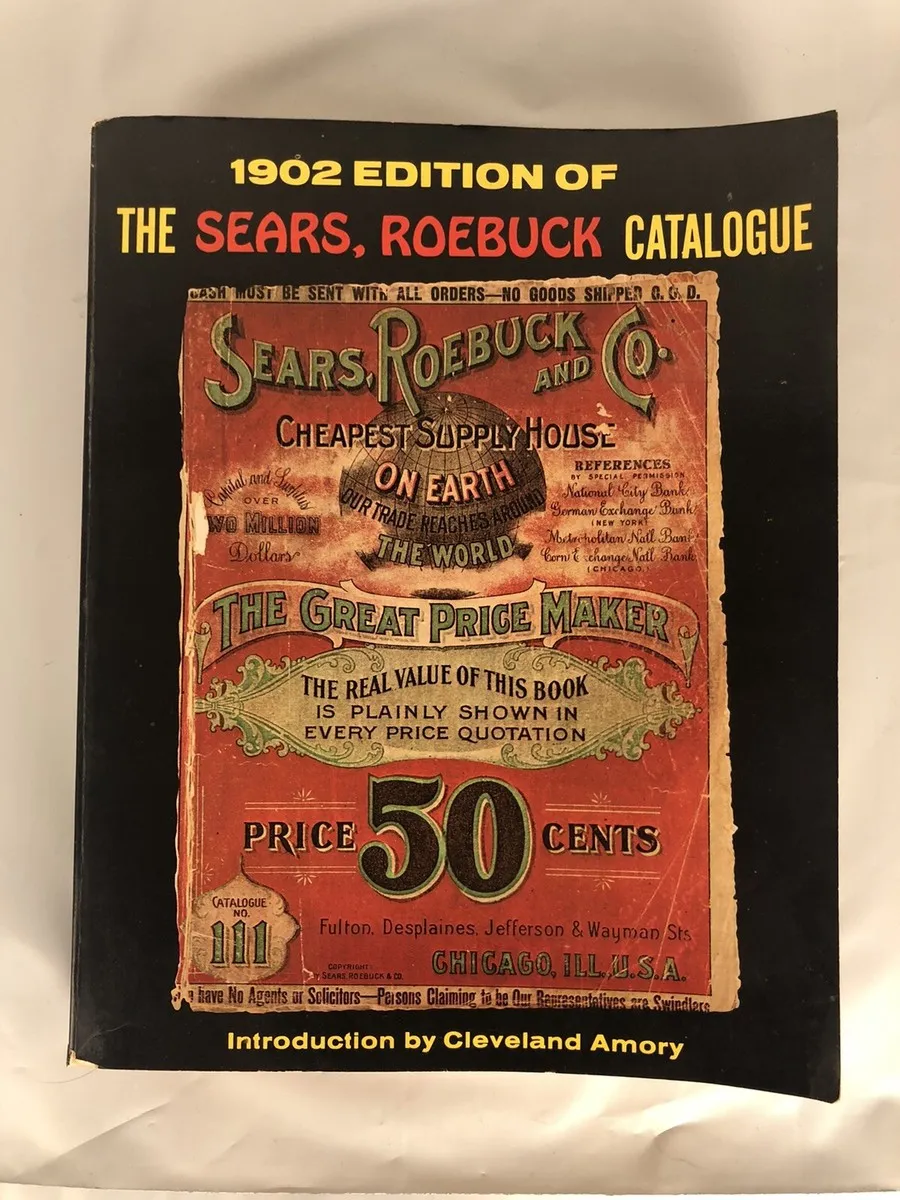 Photo: Sears, Roebuck and Company, via i.ebayimg.com
By 1900, Americans were receiving dozens of unsolicited catalogs annually. The "junk mail" that modern consumers complain about had begun, but early recipients loved it. These catalogs offered access to products and prices that local stores couldn't match.
The psychological impact was profound. For the first time in American history, people in small towns could shop the same merchandise available in major cities. Mail-order catalogs democratized consumer choice in ways that wouldn't be replicated until the internet.
Building the Infrastructure of Desire
The success of mail-order catalogs forced massive improvements to American postal infrastructure. The Post Office expanded rural delivery routes, improved package handling systems, and created the parcel post service specifically to support catalog shopping.
By 1913, the postal system was delivering over 300 million packages annually, most of them catalog orders. Americans were developing shopping habits that would define consumer culture for the next century: browsing at home, comparing prices across multiple vendors, and buying items they'd never physically examined.
The catalog industry also pioneered many techniques that modern marketers still use: seasonal promotions, customer loyalty programs, and targeted mailings based on previous purchase history.
The Unexpected Social Impact
Mail-order shopping had profound effects on American social behavior. Rural families, previously isolated from urban fashion and trends, could now access the same products as city dwellers. This accelerated the standardization of American consumer culture.
Women, in particular, gained unprecedented shopping independence. They could order personal items privately, without needing to discuss purchases with local shopkeepers or family members. Mail-order catalogs gave American women their first taste of anonymous, judgment-free shopping.
The catalogs also became informal education tools. Rural Americans learned about new technologies, fashion trends, and lifestyle options simply by browsing mail-order merchandise.
The Modern Legacy
Today's direct mail industry—which generates over $167 billion in annual sales—traces directly back to Ward's addressing mistake. The bulk mail pricing that the Post Office created in response to his success still determines how businesses reach customers through physical mail.
More importantly, the consumer behaviors that mail-order catalogs established—browsing, comparing, and buying from home—became the foundation for modern e-commerce. Amazon's business model is essentially Montgomery Ward's catalog approach updated for the internet age.
The psychological patterns that early catalog shoppers developed—the excitement of receiving packages, the pleasure of browsing merchandise at leisure, the satisfaction of finding deals—remain central to American consumer culture.
The Accidental Architecture of Modern Shopping
Every piece of junk mail that arrives in American mailboxes today connects back to that single addressing error in 1872. Ward's clerk didn't just send catalogs to the wrong people—he accidentally discovered that Americans had an enormous appetite for mail-order shopping that nobody had recognized.
The postal infrastructure, marketing techniques, and consumer expectations that grew from Ward's mistake shaped how Americans shop for everything from clothing to electronics. Even online shopping relies on delivery systems and consumer behaviors that catalog companies pioneered 150 years ago.
The next time you're annoyed by unsolicited catalogs and promotional mail, remember: you're experiencing the legacy of one of the most productive mistakes in American business history. A single addressing error accidentally built the commercial infrastructure that still moves billions of dollars in merchandise annually.
Montgomery Ward's wrong mailing list didn't just create junk mail—it created the entire system that makes modern American shopping possible.